

“Did You Go To A Lesbian Bar Today?”
By Nicole Burns
A look into the lesbian bar scene in an attempt to discover why it can’t seem to stay afloat.
Publishing by Mel
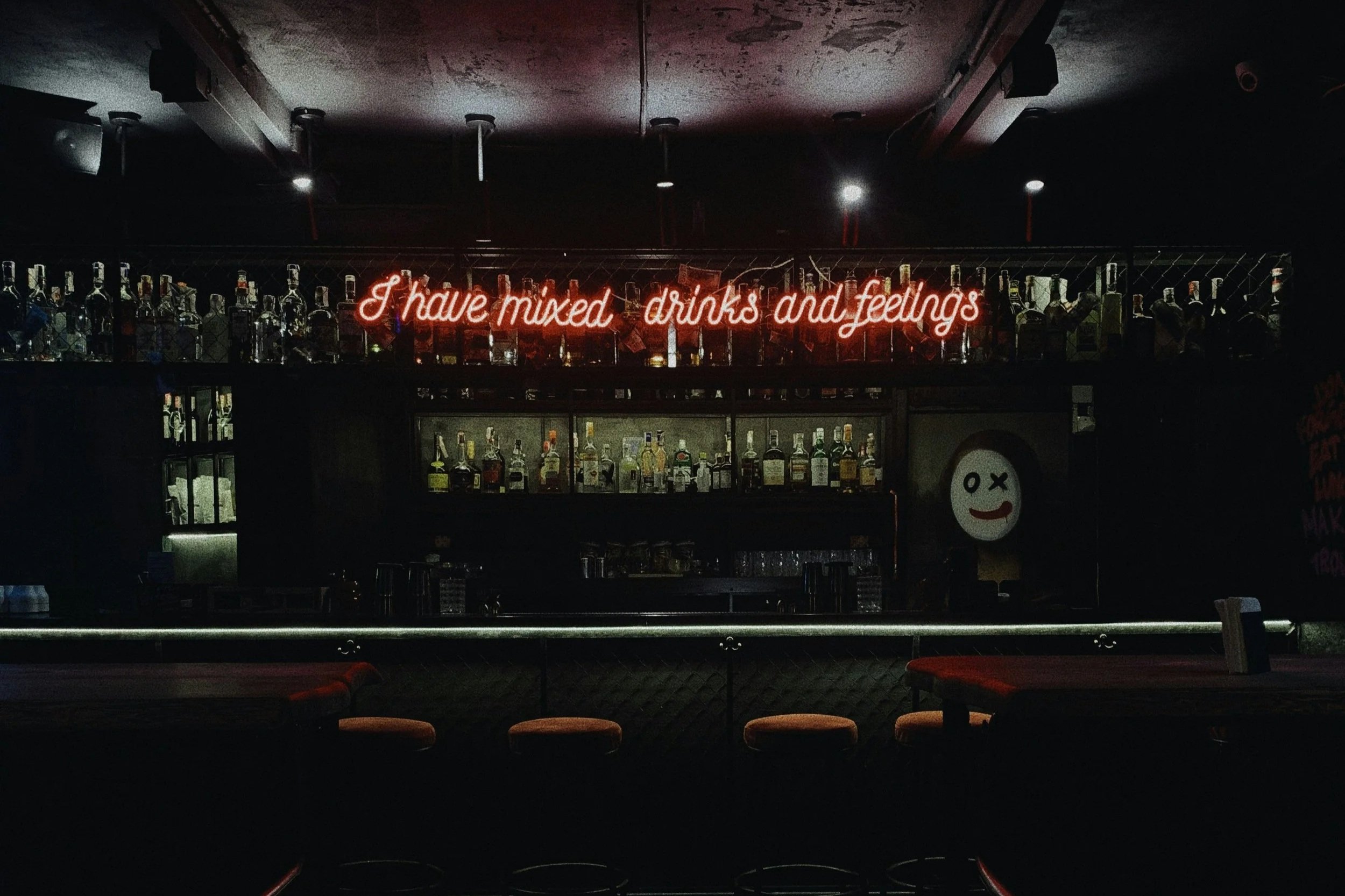
Photo by Masha Kotliarenko
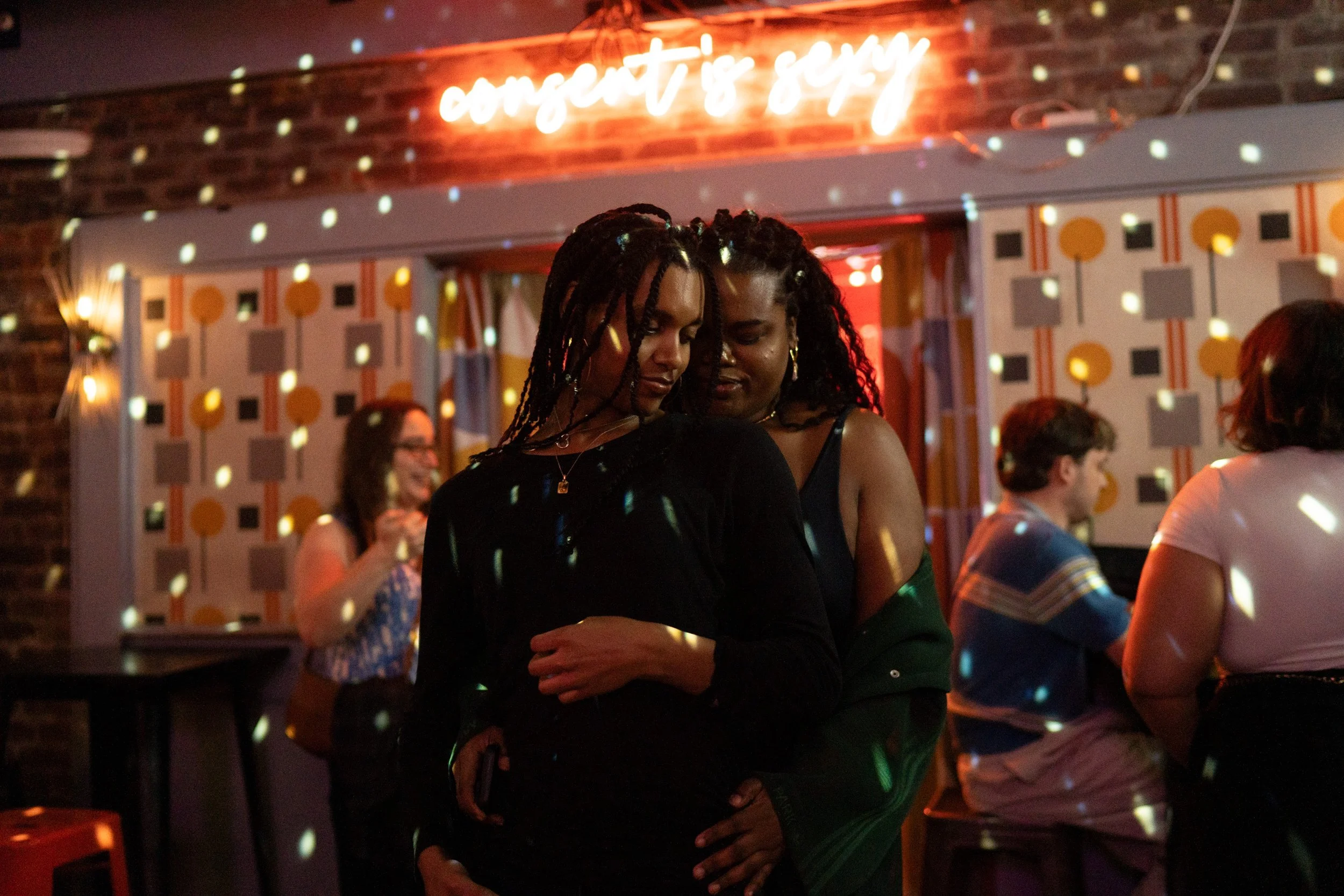
Henrietta Hudson is the oldest lesbian bar in Manhattan. But those three decades of business aren’t always sunshine and rainbows. The “lesbian bar” is an almost mythical concept; the “white whale” of the queer community. Online, folks bemoan the lack of lesbian and sapphic spaces, but how are we treating the ones we do have?
Recently, a lesbian bar in Western Massachusetts became the subject of online controversy. A nuanced situation met with a national spotlight, which, as everyone knows, the internet is where nuance goes to die. This bar’s lack of business led to them lifting their years-long mask-mandate one night a week. Thus, a trending Twitter (X—if you must) topic was born. If a bar is known for a mask-mandate in a semi-post-pandemic world (I say semi-post because the reality is there is no post COVID), is it their responsibility to uphold that even if it means doing under? Are the people disparaging the bar online even patronizing said bar? What about the other 35 some-odd lesbian bars in the United States?
A popular docuseries, The Lesbian Bar Project, took the time to visit the 36 remaining lesbian bars in the US to shed light on the dwindling culture. However, other countries have even smaller numbers. London boasts a single lesbian bar, where I spoke to Esme Warmuth, a native New Yorker who completed her master’s degree in London, about her experience abroad. Within her year across the pond, she patronized the local lesbian bar only three times.
When asked why so few, she explained,
“I didn’t stop going for any particular reason. I guess it was just a small space without a lot going on.”
Credits: Henrietta Hudson
When I explained my thesis of this article, the crux being that those holding all the online hoops these bars must jump through are rarely putting their money where their mouth is, Warmuth lovingly said,
“I was b*****ing online and supporting lesbian bars.”
She frequents Cubbyhole in Manhattan the most, even with the hour-and-a-half commute from Long Island.
Back in New York, the city has at least four lesbian bars spread across Manhattan and Brooklyn (though popular event hosts and community space Dave’s Lesbian Bar is fighting to open up a permanent bar space in Queens) with sapphic-focused events such as Futch Night and Out and About dominating the party scene across coasts. However, these spaces fluctuate wildly even within a city with a lesbian population as vast as New York City.
I was given the opportunity to speak with Mo Fitzsimmons, a butch lesbian bartender at Henrietta Hudson—colloquially referred to as Hen’s—for the last three years to get a behind-the-bar perspective of New York’s lesbian bar-goers.
NB: What does the average busy night look like at Hen’s?
MF: “Crowded, lively. Lots of making out in corners, at the bar, all over the place.”
NB: And how often would you say there’s a night like that? [For context, Fitzsimmons works on average, three of the bar’s five open nights a week.]
MF: “Twice a week. Friday and Saturday, sometimes Thursday through Saturday. Sometimes I’m going non-stop. Everyone has a good time.”
Despite the packed weekends, though, Fitzsimmons also comments on the point that the people filling the space aren’t always buying drinks—the foundation of any bar’s business plan—and average about 2-3, sometimes 3-4 full drinks, though those purchases tend to peter out by the end of the night. To combat this, Hen’s has a cover starting at 9pm on Friday and Saturday, a cover charge that has been steadily rising from 13 to 20 USD in the last year.
Numbers aside, when it comes down to the nitty gritty of it, there’s one thing I’m really curious about: What does this space mean to you as a lesbian yourself and someone who works at such an important cultural cornerstone?
Credits: Henrietta Hudson
Fitzsimmons had this to say,
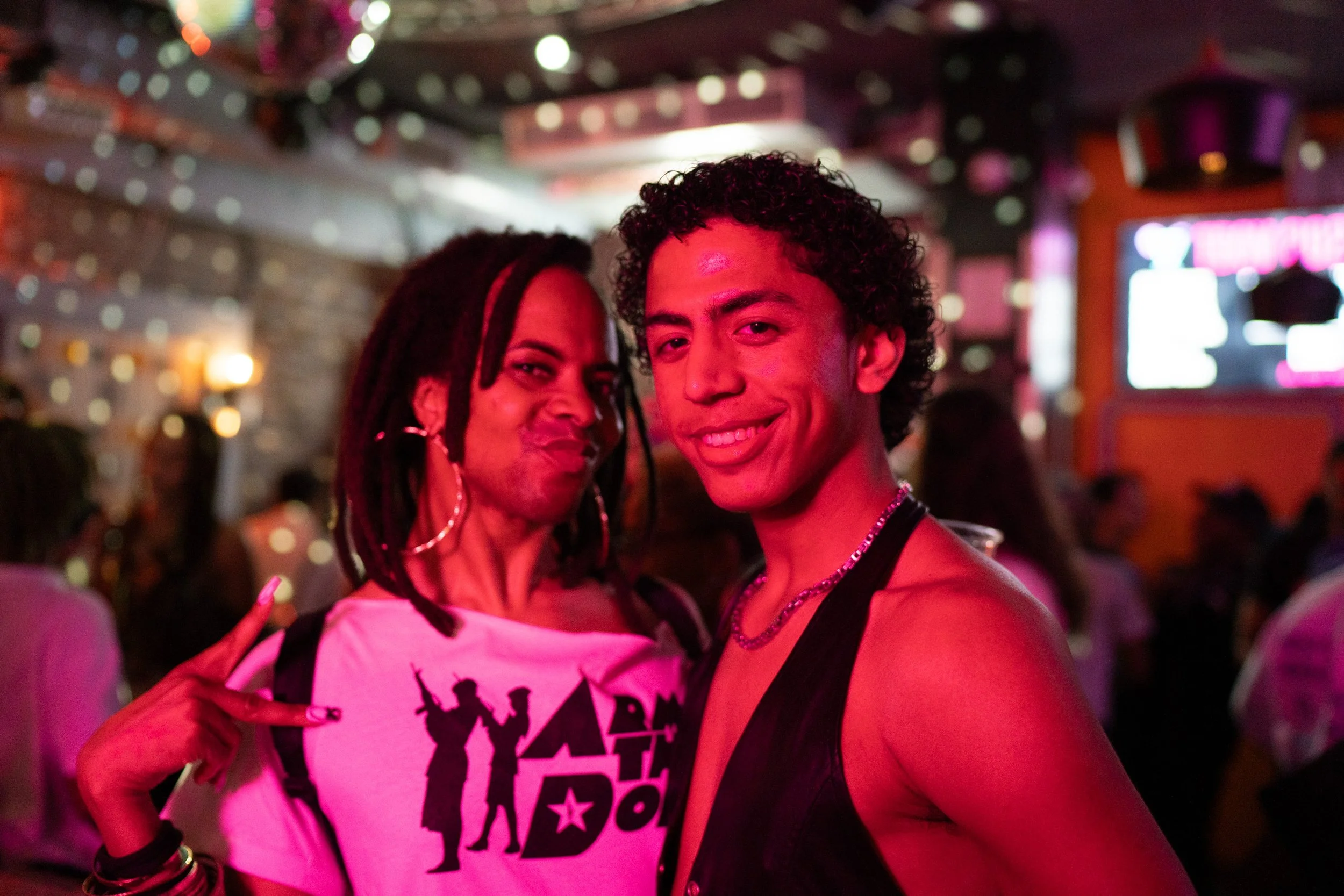
“It is a really important community space to have… it is the oldest lesbian bar in NY and it is a very special place. [I] cherish the friends and family I’ve made here and I know a lot of the patrons feel the same way.”
Is two nights a week enough to sustain even one of the most-popular bar, let alone one centered on a marginalized community? What does that mean for the smaller bars in places like Park Slope (Ginger’s) or Bushwick (The Bush) that are less appealing for tourists and Manhattanites alike? What does that mean for lesbian bars fighting to exist in places like Philadelphia or Washington D.C?
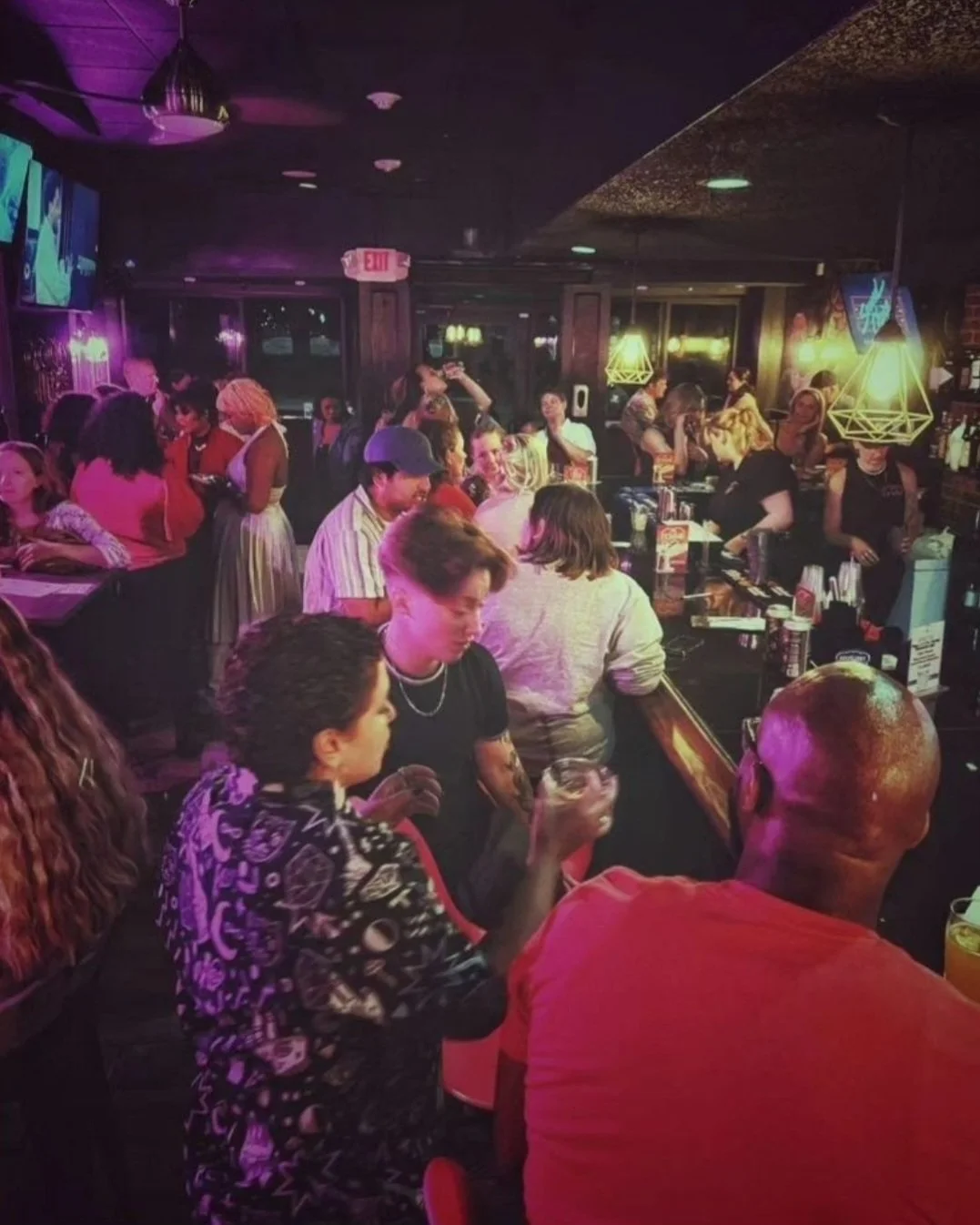
Whether people want to admit it or not, bar culture is a foundational aspect of the queer community. One of the most famous queer moments in history is named after The Stonewall Inn, after all. These bars were once asylum, the only place to really be seen and get to know the community around you.
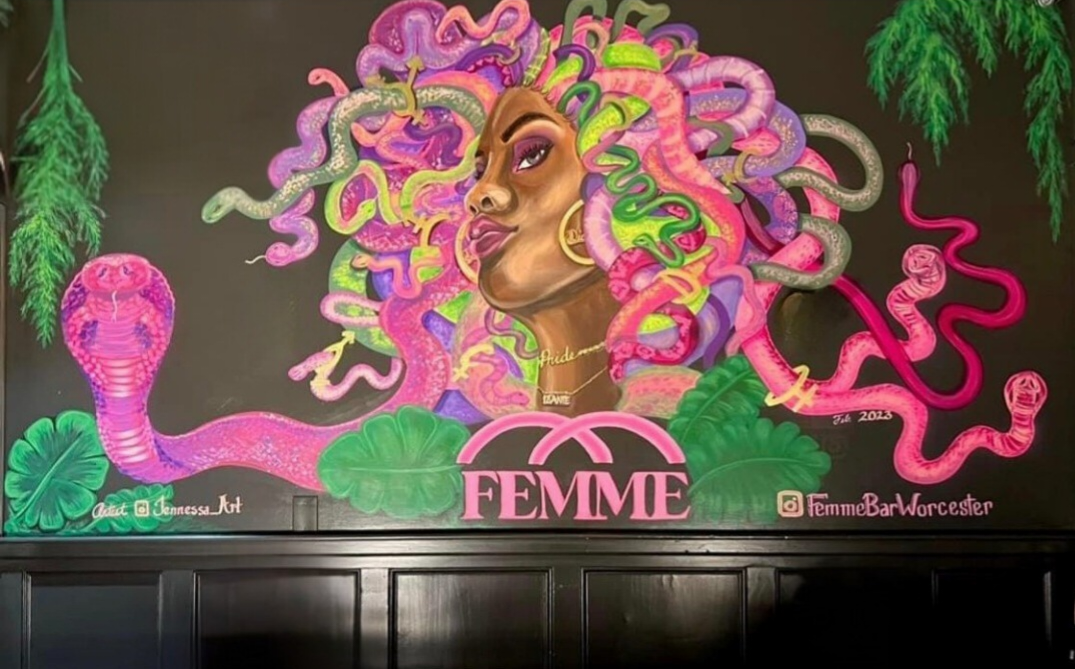
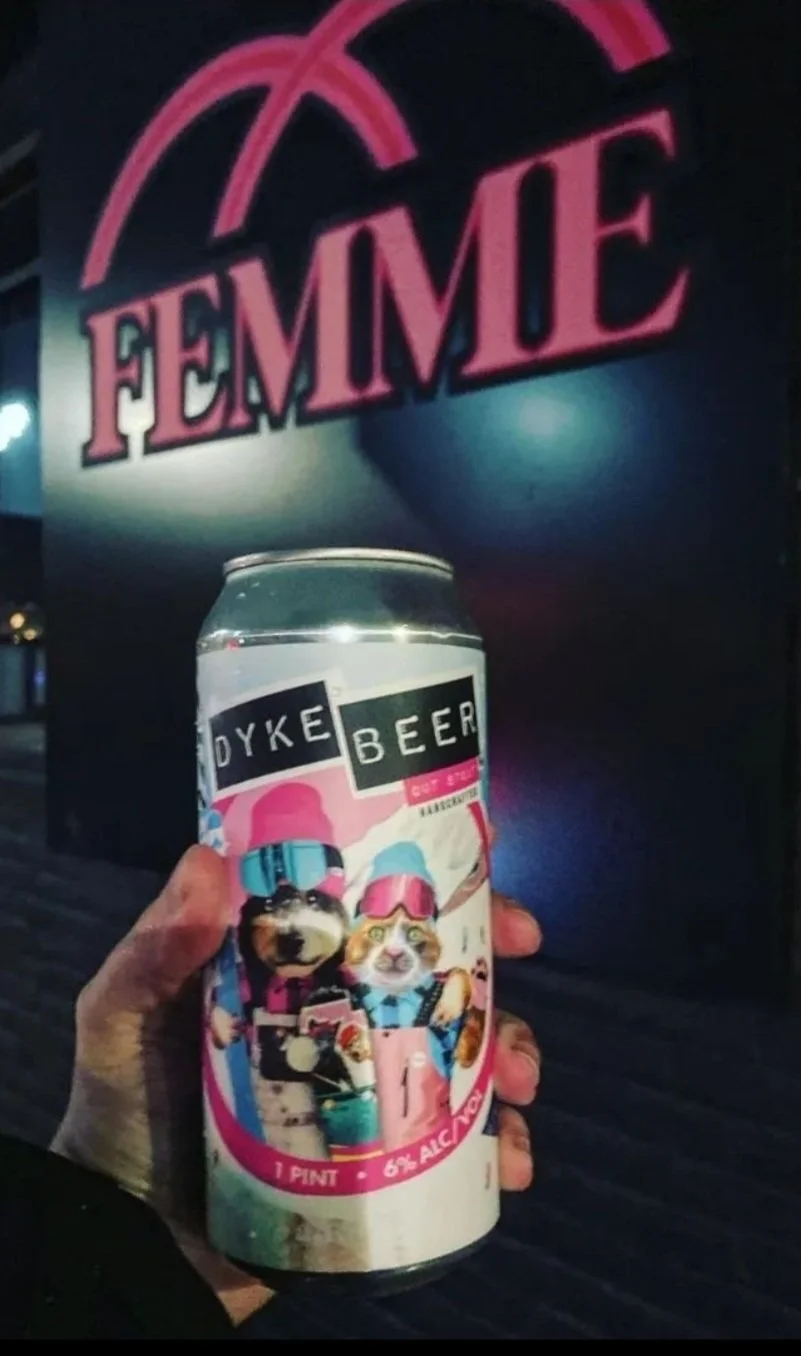
Credits: Femme
The screen of a phone and the mask of online anonymity has steadily worked to kill the curiosity of young queer people, meaning less and less people are exploring these spaces. I asked around online and the general consensus of my replies were that people were “too anxious” to go to such spaces or that they simply aren’t lucky enough to have a lesbian bar near them at all. I myself lived in Boise, Idaho when I came of drinking age, a city which has one gay bar frequented by gay men, straight women, and… not much else. So when I first arrived at Hen’s and Cubby in New York, it felt like stepping straight into heaven. This is something I try not to take for granted.
For those who don’t drink, many bars offer mocktails, sodas, non-alcoholic beers, and plenty of other options. For those who are too anxious to go alone, I will tell you some of my most successful and interesting nights are when I went alone and talked to anyone who would listen. For those who think these spaces need to cater to every single need you personally have ever had, I implore you to put the phone down and explore your local queer and lesbian community as best you can, you will not regret it.
In New York City, and around the world, there is the broader problem of accessibility—not just in lesbian bars, but everywhere—that does make it difficult, sometimes impossible, for disabled people to enjoy these spaces. That is a fight that will likely be never-ending, just like members of the queer community fight for their lives, just as lesbians fight to have a space free of men, as we fight for the basic respect we deserve from administrations that would rather see us disappear. I ask you to remember that you are not fighting alone, none of us should be. Reach out to your local queer spaces, ask what accommodations they have, fight for the ones they don’t. Never stop fighting and never stop supporting the spaces fighting to give us a safe haven.
If you live in the United States, I implore you to check out The Lesbian Bar Project and see what’s going on in your area and if you can, go there and buy a drink. Tip your bartender and talk to a stranger. Something I’ve learned as a lesbian is that no one is going to have our backs but us.
So, I end this article with one important question:
Did you go to a lesbian bar today?
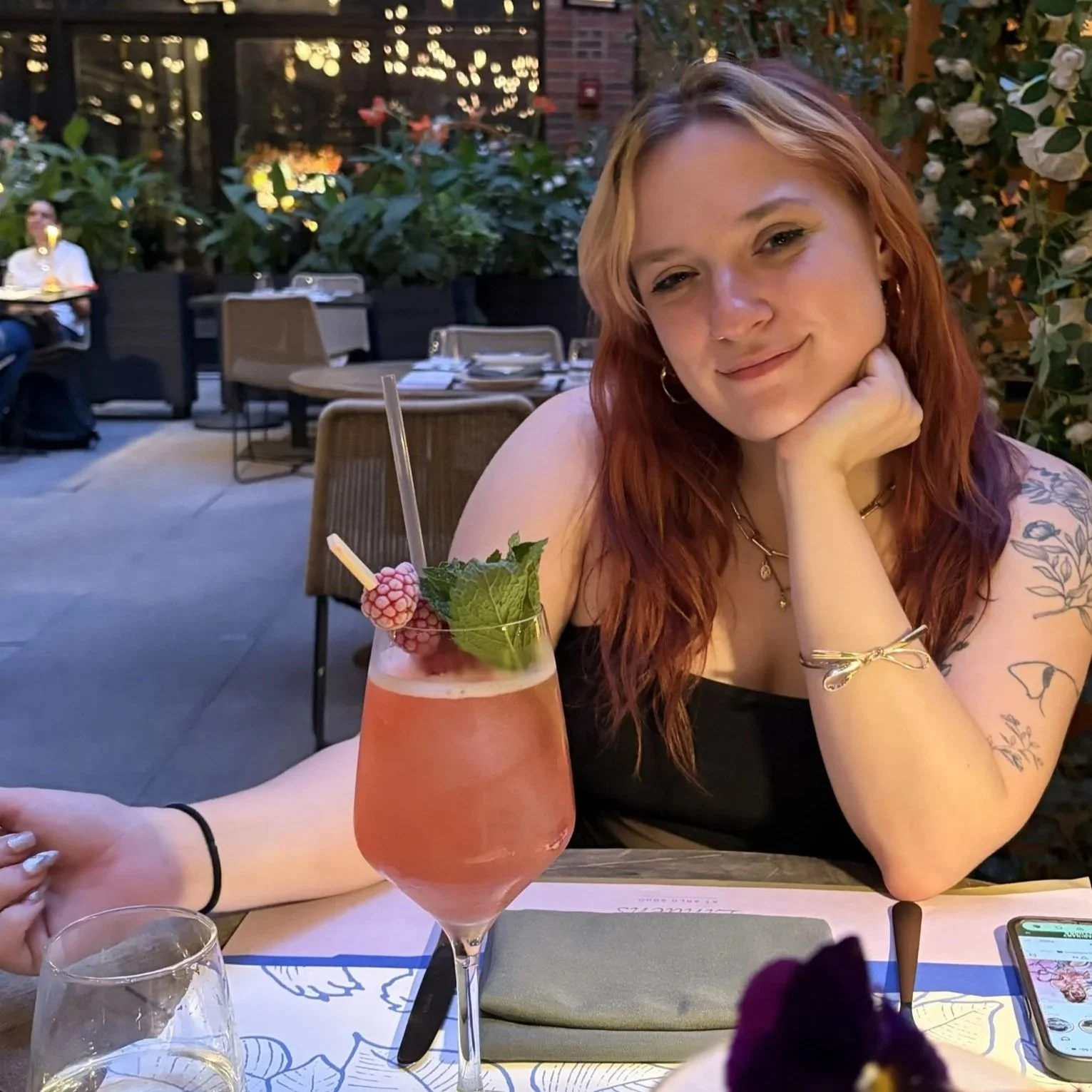
Nicole Burns is a New York based writer who frequents the lesbian bar and party scene in the city.
Her writing focuses on lesbian and pop culture.