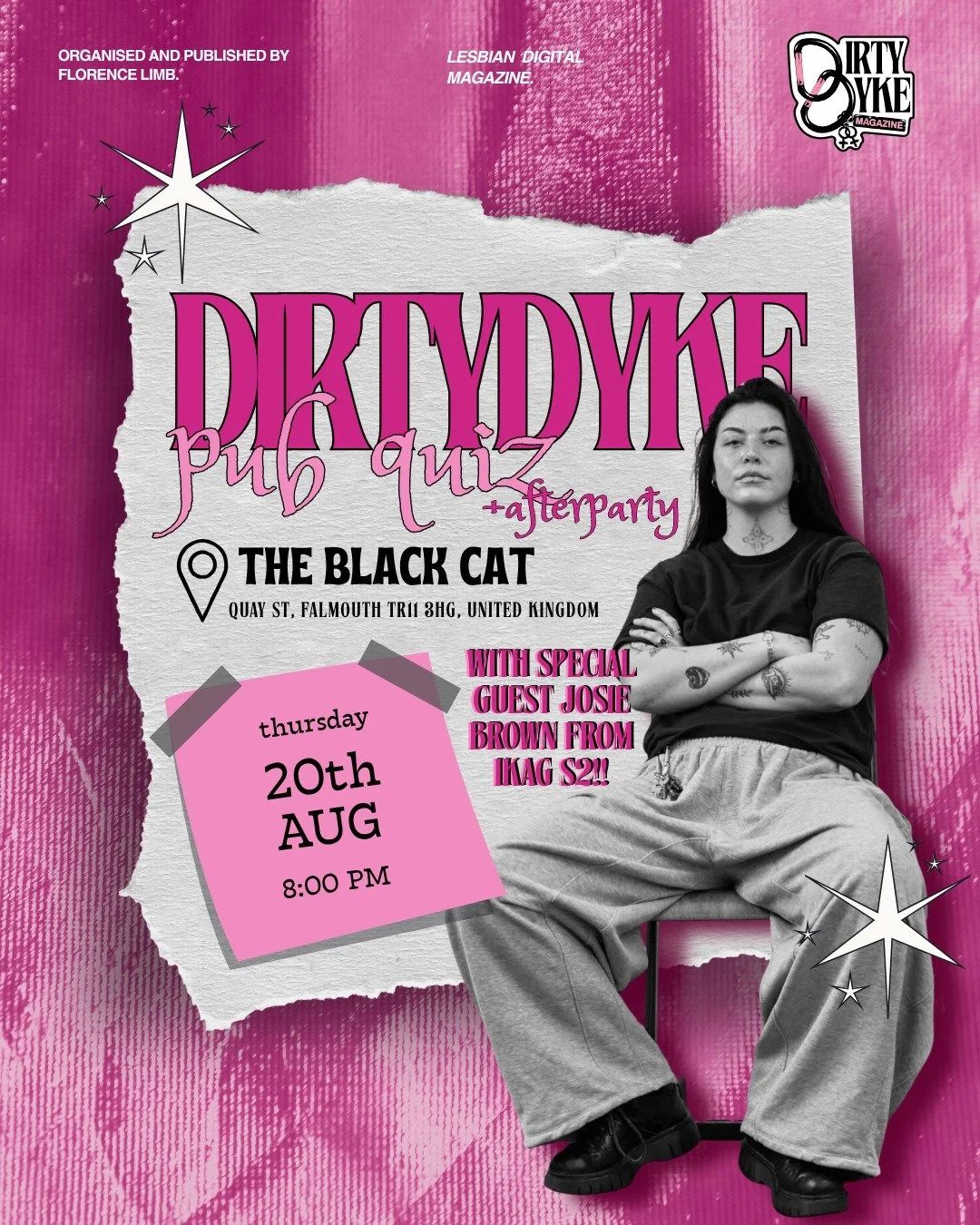
THE JOSIE BROWN (I KISSED A GIRL s2) INTERVIEW!
BEHIND THE SCENES, BEHIND THE DRAMA, AND BEHIND THE EXPERIENCE
OF THE BBC’S QUEER MASSERIA.
By Lily
Published by Mel
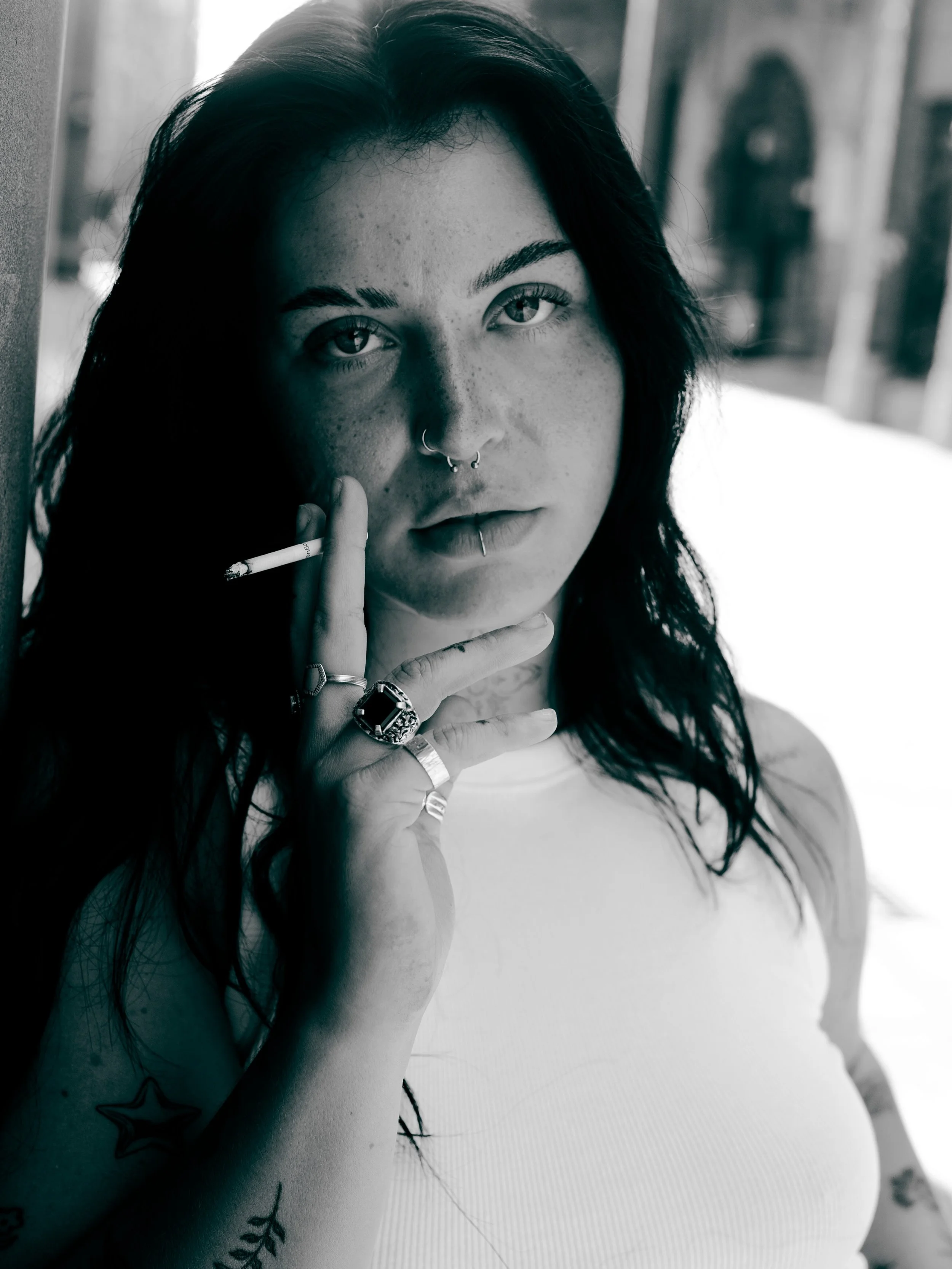
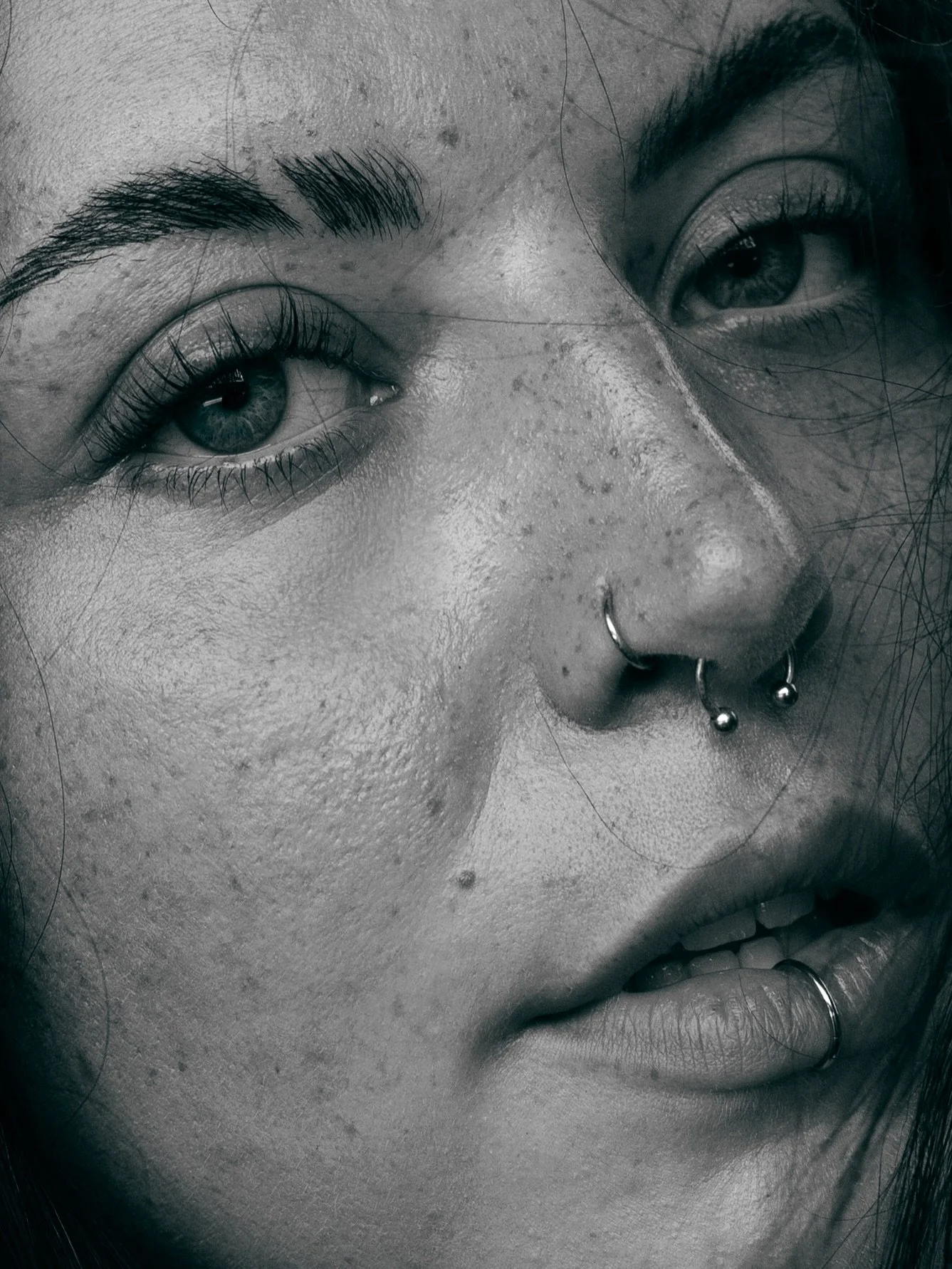
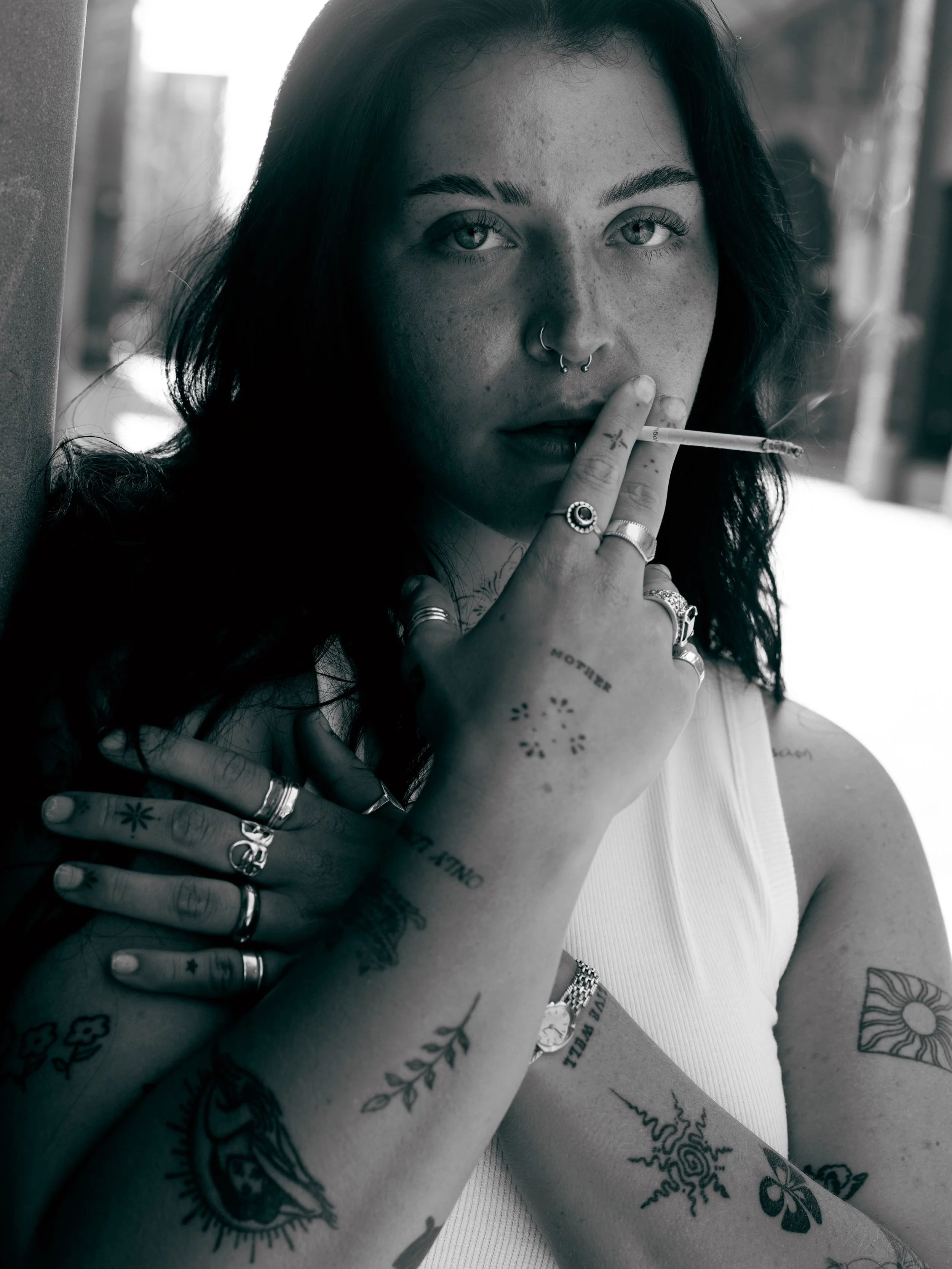
So, firstly, you came in as a late arrival, which meant walking into dynamics that were already established. What was that first walk into the masseria actually like?
“ It was tough. It was nerve-wracking because you've been waiting for it for so long, and then you just don't have a clue what's going to be on the other side. And it's definitely hard when you enter a room full of people that are like basically all coupled up because you don't really know how coupled up they are. You don't know if they've had like an argument literally the day before. Like, you just look at everybody as couples, and it's not natural to look at a couple and be like, “Well, I'll just split that up. Like, I'll just go for that.”“ See, I have to definitely have like a an element of like assurance, like you need to be self-assured to be able to just like go in there and be like, I've got a job to do, I'm gonna do it. But yeah, it was exciting. It was definitely, it was definitely not an easy job to do. ”
No, I would be so nervous. What is the wait time between like when you knew you were going to get into the show and then when you actually entered?
“ A few hours. ”
Really?
“ Yeah, yeah. Because they only tell you like when you're in Italy, it's never confirmed. They just so they told me the night before, and then that was that. ”
Credits: BBC
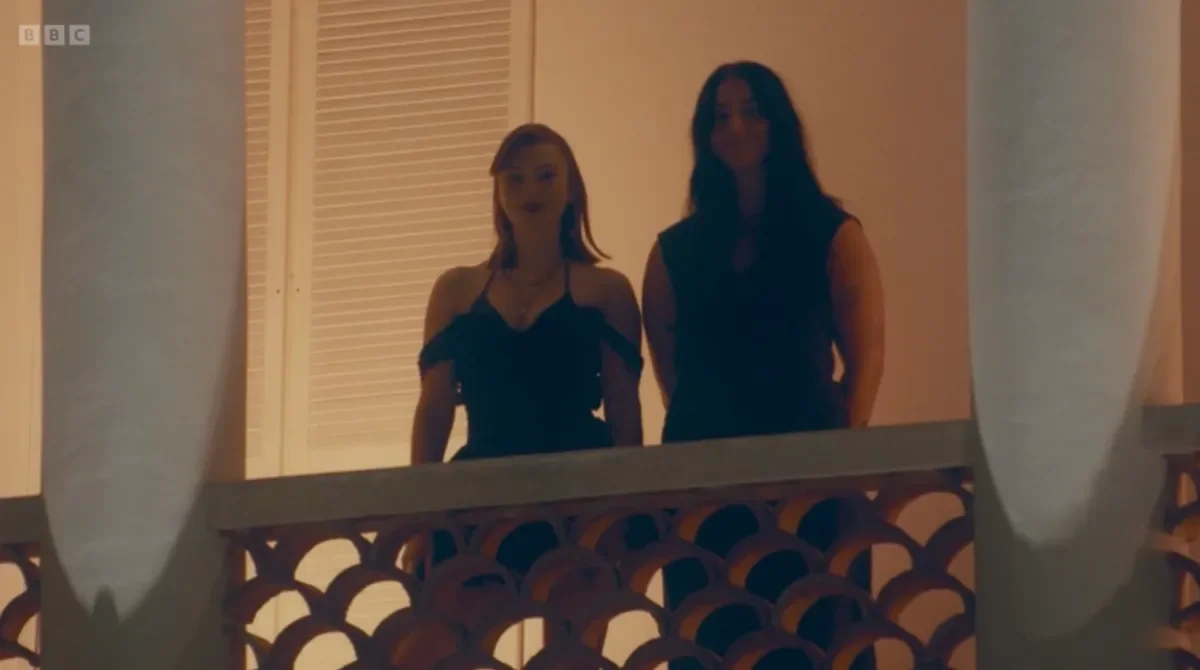
Okay, you and Elise had history before the show. What was going through your head when you realised she was going to be there,
and did you know she was going to be there?
“ I didn’t know she was going to be there. That reaction is genuine, yeah when I knew, obviously, we watched the kiss off from the balcony, and we got to see all the like screens and stuff and everything like that. So I saw her walk out, and I said this the other day, it was like when you take like drugs, and if you took a million different drugs and they all came up at the same time, it's like anxiety - I've never experienced like anxiety and excitement like it. Like it's such a peak of emotions.
“ But it's funny because when I saw the lineup of everyone, I could have picked who Elise would be with out of the crowd. Like I knew instantly that Elisha was going to be Elise's partner. So watching that play out before even meeting them is so interesting. Like it was so, it was so weird to watch, and then you had to just go down and be like, surprise! ”
What's something that happened in the masseria that never made it to air but you wish people had seen?
Credits: Josie Brown
“ There was this moment where there was a big group of us just like all around the pool and the beanbags, and we were all talking about growing up being queer, coming out, like if we had hard times with our families, like whether we were accepted in society and like what it meant to us. And I think quite a few of us got really emotional, and it was just such a beautiful moment, and we all kind of like held space for each other to to share that, and it just never got aired.
“ And I was just like, that would have been such a beautiful piece of media for younger queer people and older queer people to just see that discussion being had so like casually and safely, and in just such a lovely space, and it was just - it just wasn't shown. ”
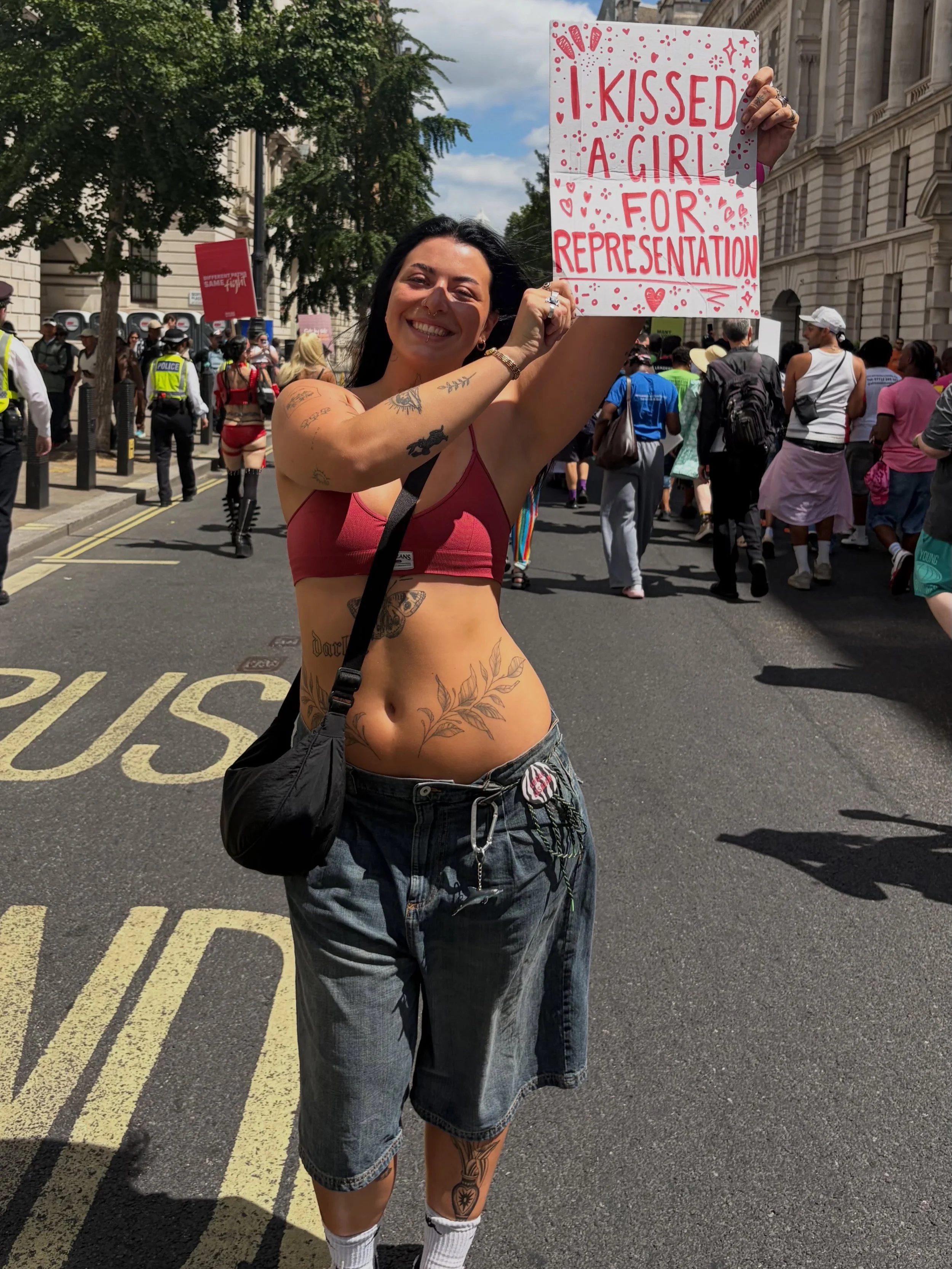
So, on the masc-for-masc representation, you've talked about providing masc-for-masc representation.
Why did that specific dynamic feel important to put on screen?
“ It felt important because I have spent my whole life pushing myself into boxes for the sake of who I want to appeal to, and it's like when when I was younger, it was always like men are the highest form of validation in society. Therefore, I'll appeal to that.
“ Then when I realised I was gay and I liked women, it was like, okay, now it's like masc women, I'm trying to, I'm trying to attract that.
“ But I always found that when I would go into queer spaces, I would make myself more feminine so that I could attract who I wanted to attract, rather than just being who I wanted to be. And then I realised that it just wasn't working, and that was silly. And I started to do loads of work on myself, and realised that this is who I am, and this is who I want to attract. And if that happens, it happens. If it doesn't, it doesn't. And I just started making much more like real connections with people.
“ And I think if I'd have seen that it didn't have to be like that heteronormative male female, masculine feminine dynamic just a few years earlier, when I was younger, I probably wouldn't have spent so long trying to like shape shift into who I thought I needed to be in order to appease the people around me. ”
I remember doing that like the other way around because I'm more like femme for femme, and then I remember going very masc to try and every time I look back on photos, I'm like; it's so not me.
“ It's such a thing. Like we come out and then we're like, wait, what should I look like? What should I do? And then you just behave in a way that you think you need to do, and then you look back and you're like, "Ohhh, okay". ”
Masc for masc pairings aren't something UK reality TV has really shown before.
Did you feel any pressure being one of the first people doing that on this platform?
“ No, not pressure. I don't think I felt any pressure. I think it felt very much true to me, and everything that I did on the show felt really, really true for me, so I've not worried about how it was going to be. I think I felt disappointed that they threw the term masc for masc in, showed me for two seconds, and then ripped it away. And I mean, it's got its pros and cons because it means that okay, yeah, I didn't get much airtime and I wasn't shown fully for who I was, but it now means that I'm in control of how I'm shown to people, rather than trying to fight how I was shown on the TV.
“ Do you know what I mean? Like, the TV gave me a moment to say, hey, here's some representation, and now it's in my hands to carry on showing what that actually means through like not the BBC's eyes. Do you know what I mean? ”
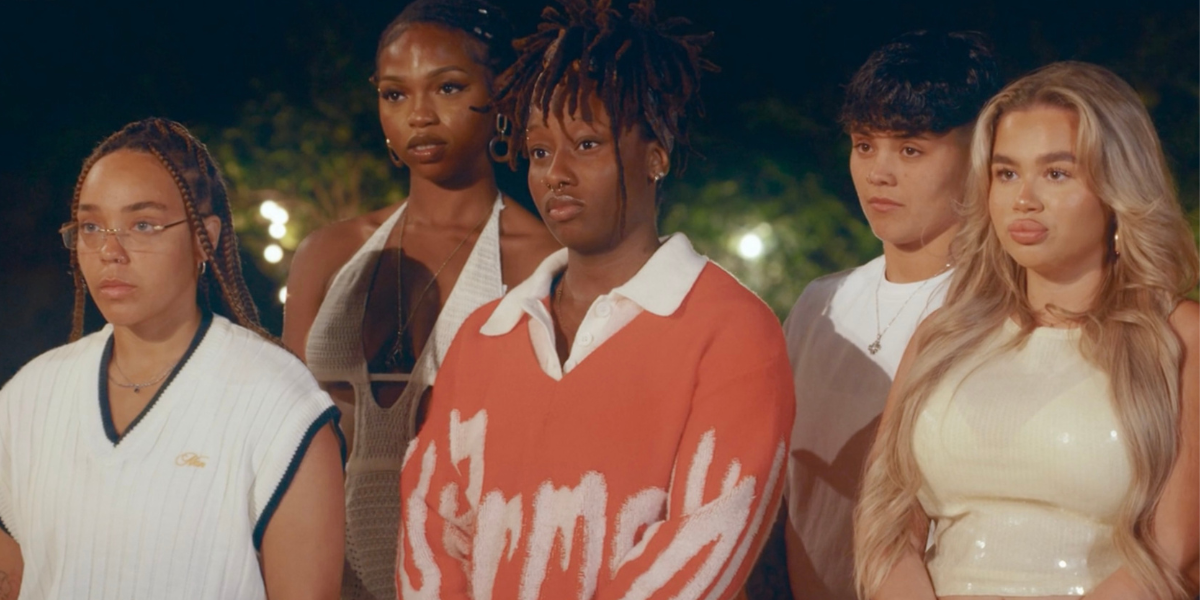
So what kind of parts of you then do you wish that they had shown more on the show?
Credits: BBC
“ I think that, I think I was surprised at how - it's going to sound weird, but like I didn't feel like the show was like as queer as it needed to be. It was, it was, it was gay. It was very like women dating each other, but I just didn't feel like there was enough conversations about what it actually means to be gay, like why we are so rooted in our queerness, and like I felt there was a lot of heteronormativity on the show, which I was shocked by, but then also maybe I wasn't, and I I don't know, I just felt like there was so many boundaries that need breaking in the queer world, and that just wasn't that, and it served its purpose.
“ It was like drama, lesbians dating each other, that kind of thing. But I just wish that the conversations we had about trans people had been put in there. I wish the conversations we'd had about politics had been put in there, about heteronormativity, like gender spectrums. Like we had so many interesting conversations about like truly deep-rooted queer things, and that was put to the side for the sake of like an argument. Do you know what I mean? ”
Has this always been an identity you felt drawn to, or was it something you grew into? You touched on this a little bit earlier.
“ What, my current- my identity now? ”
Yeah.
Credits: Josie Brown
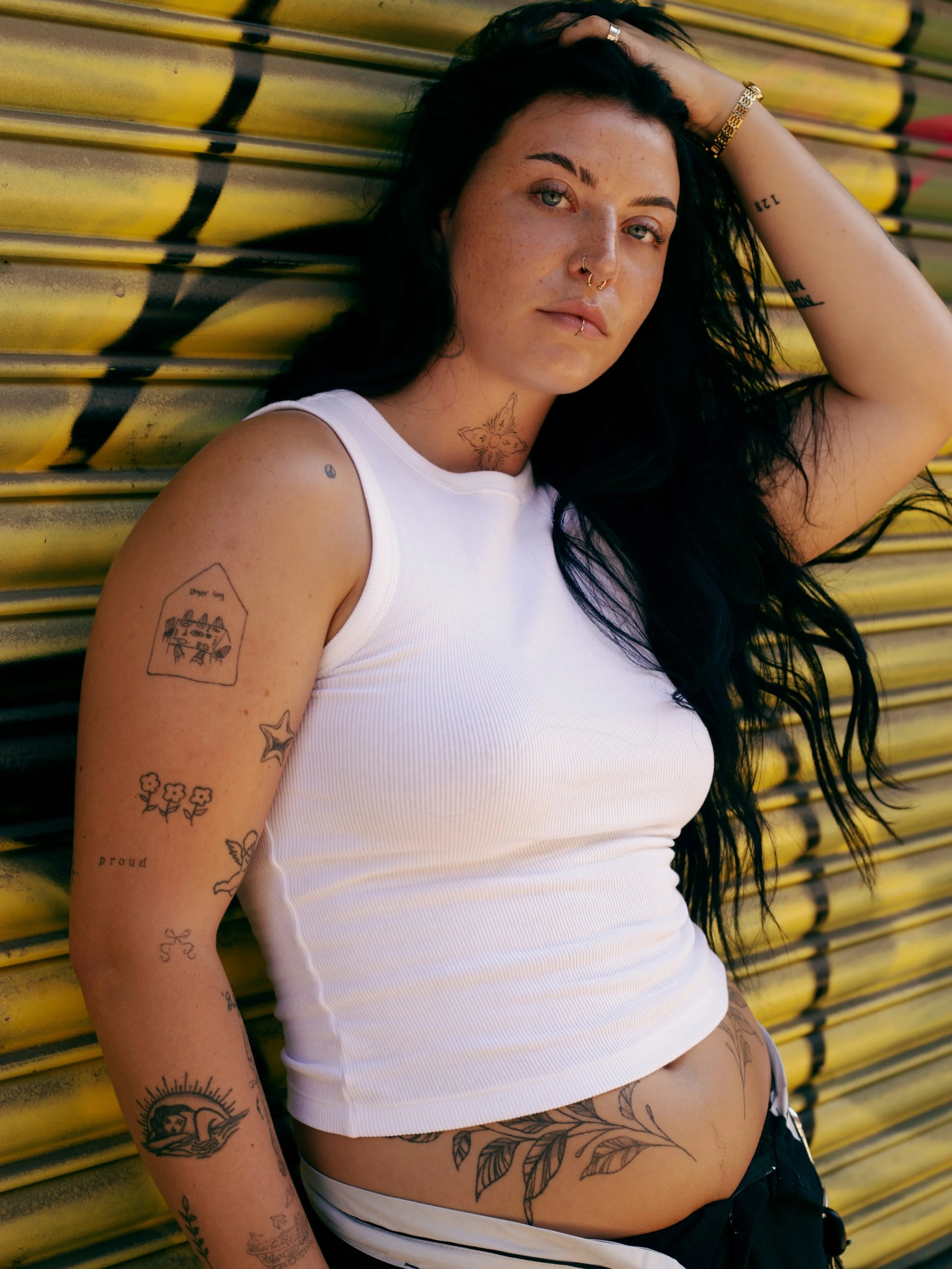
“ I have shape shifted through the years. If you catch me at different points in my life, I literally did every phase under the sun. I was a little emo for a while. There was a moment where I was like a little bit 50s pin up vibe at like the age of 15. Like I did everything, and I think I can't speak for everyone, but I can definitely speak for myself on the fact that when you are gay and you aren't brought up with any representation at all because I wasn't brought up with any representation.
My town was tiny, so you kind of just like go through the motions of like, oh, I think I'm this, and then you move towards that, and then you're like, oh no, that wasn't that, and then you keep going and going and going, and it was only until I met my queer friends and like found this really lovely life of people who like know right from wrong, hold you accountable, like talk about difficult conversations, talk about the state of the world, where I actually got to a point in the last couple of years where I was like, well, actually, I think I know who I am.
Like, like it took me a long way to get here, but I'm more me now than I ever have been in my life, and like I pay homage to all of the other mes that thought that they were me, but that was just the journey to get here. Like little blonde Josie with her eyelash extensions in and a corset with a blowout was not Josie. ”
Rugby and being masc-presenting - do those feel connected for you, or are they separate parts of who you are?
“ Oh no, they're definitely connecting. I think, like growing up, when I first found rugby and started playing it, I was like, ooh, I'm I could do this. Like, I'm, I'm going to be good at this. And I was never good at any other sports. Like, and I still am not good at sports. I could never, I was never a dancer, I was never, or anything like that. So when I started playing rugby, it was the first space I'd found as a woman that never tells you to be smaller, quieter, meeker, like a milder version of yourself. It was like be stronger, be bigger, be louder, be aggressive.
“ Like it was just, it was such a controlled environment to just like push all of the boundaries of what it meant to be female in society in the 2000s, so I really, really like took to it, and it's been a constant through my life. The only time I didn't play rugby was was when I was in a straight relationship with a man, and I was with him for like two and a half years, and I didn't touch a rugby ball the whole time, and it's so interesting. And then when I got out of that, like a year went by, and I was like, oh fuck, I love this sport. So I do find that it is very like affirming for me. The only downside to being a lesbian in rugby is, fuck me, there's so much drama. So much drama. ”
What do you wish people understood better about masc lesbians that they usually get wrong?
Credits Josie Brown
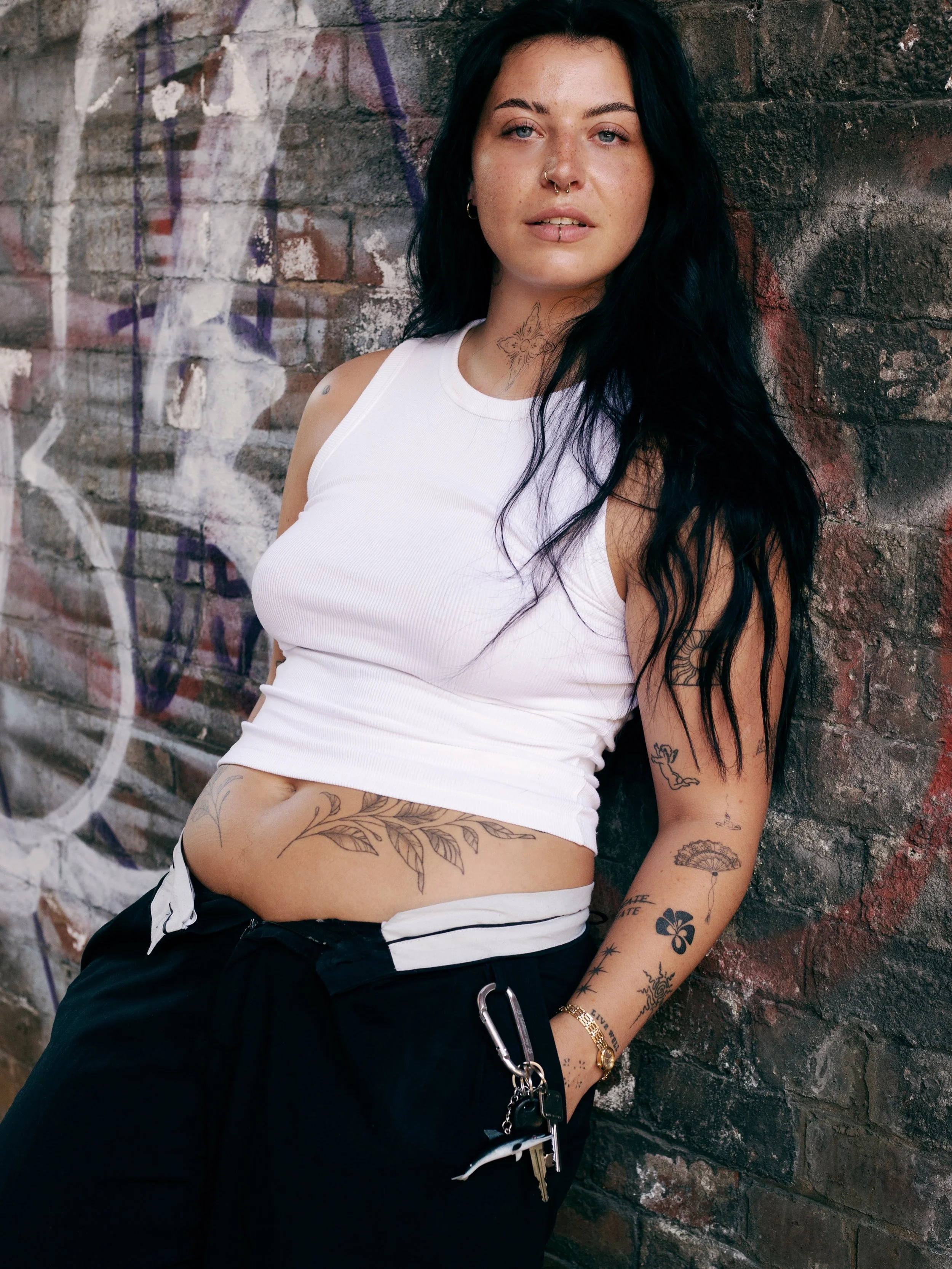
“ I think that masculinity, as a woman, or as someone who's queer, can be seen as like like people think we take on this masc role or like this label because it makes us feel a type of way or because we have to, but I think that masculinity can be anything to anyone, and I've had a couple of comments from the show being like, "Masc lesbian, that's not a masc lesbian”. Like, do you know what I mean? Like, people have looked at me and how I present and who I am and been like, "Well, that's not my version of masc, so you can't be masc”.
“ And there's a lot of buzz about how we use labels, why we use labels, if we should use labels, is it like diminishing or is it freeing? And I find that for myself, being masc, whatever that means to other people, to me, it affirms me, and it's what I resonate with, and it gives me power, and it it feels like a strong resonating feeling within me, regardless of how I dress or who I am, that's that's what makes me feel me.
“ And I don't know, maybe that will change over the years and whatever but right now, for me, I think that when we use labels, people, people maybe assign their version of what that means to them to other people using that label, and that's when it becomes boxes and and diminishing, and it it makes us feel like we, we can't express ourselves within labels. And I think that using the label masc, regardless of what other people think, it's what it means to you. It's what it does for you. It's how you use it, rather than how other people use it to see you if that makes sense. ”
How long have you been using that label?
“ Well, when I was like 15, I got an undercut, and I had a bun, and I only wore Stone Island, so I really, it really went for it back in the day. And then, as I like dated through the years, depending on who I was with, I kind of changed it up and stuff like that. I always, deep down, knew where I wanted to be. I think that sometimes when I was dating, I just didn't give myself space to figure out who I was, I just allowed them to like be the focal point. And then I've been single four years now.
“ So as that journey has carried on, I went through like a hyper feminine phase, but in the back of my mind, I always knew that, like, I felt that more masculine feeling within, and I still, I still assigned, I still took on that masculine like energy. I just put my eyeliner on and wore a little top. You know what I mean? Like, it was just different. So I feel like throughout my life, I've always been like what I deem qualities of someone who's masculine, but it's just like how I present has changed through the years. ”
Would you get an undercut again?
“ No. I'm so glad that COVID happened because if it wasn't COVID, I wouldn't have been able to grow that fucking undercut out. It was so bad and it was like poking out the bottom of my neck and then COVID hit and I was like brilliant, now's my time to to get it out and to get it gone. ”
You said you've become more rooted in your queerness in the last couple of years. What changed?
Credits: Josie Brown
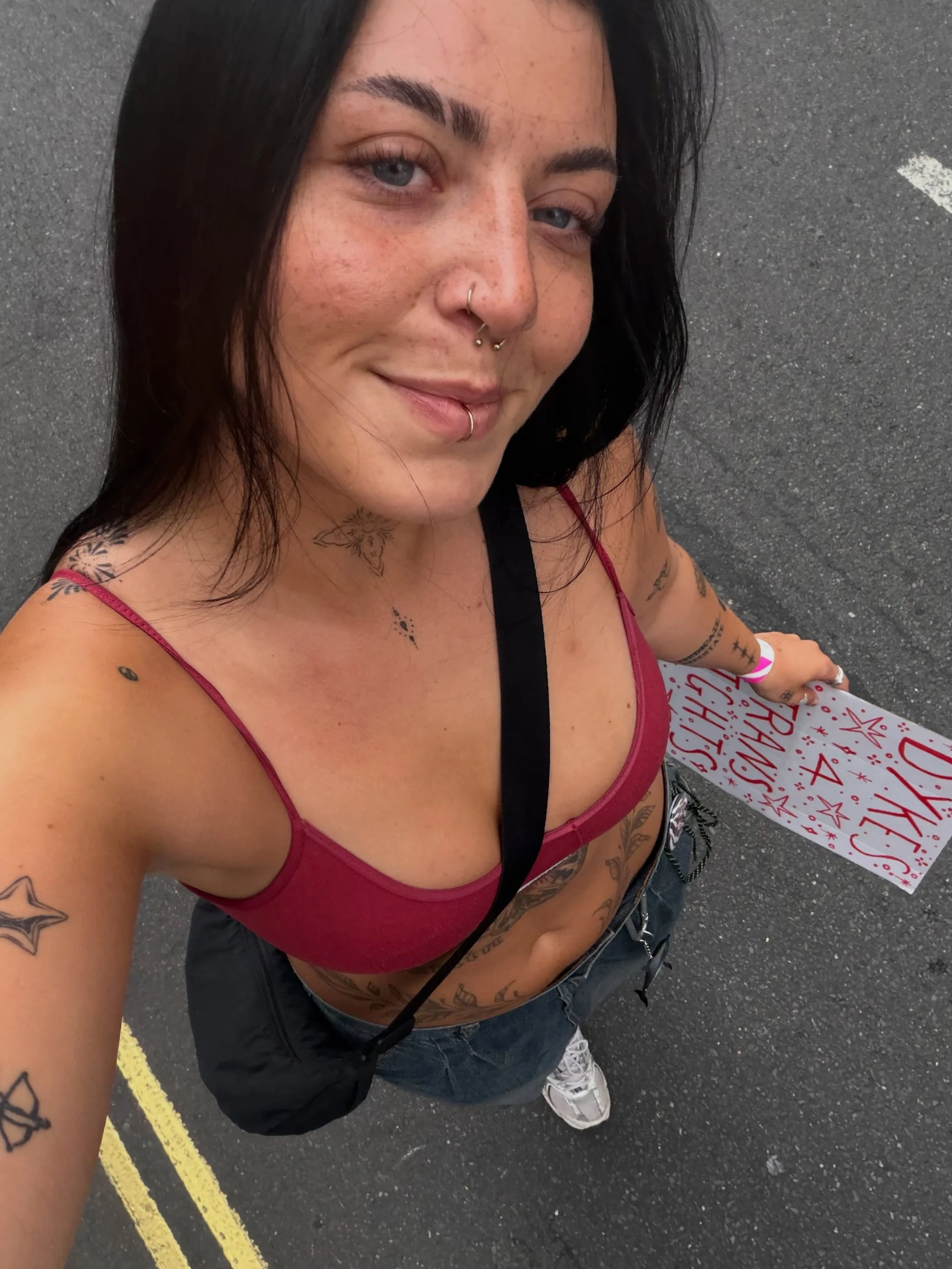
“ The people around me changed.
“ When I was at uni, my household, there was three of us, and we were all gay, but two of us were dating men, and I in particular was dating a horrible man, and his morals are just horrific. And I didn't know at the time that it was so damaging to me. And then when we moved out of Cambridge, me and my friend moved here, and my other friend moved to Manchester, and we started making new friends.
“ And I found this massive circle of queer people in Liverpool, and my friend in particular, Alessia, she's so good at holding me accountable. Like she will never ever let someone, for the fear of correcting someone, say the wrong thing.
“ Like, and it's it's never been in a way of like making someone feel lesser. It's like always been a in a way of like, just a kind way to keep you grounded and real. Do you know what I mean? And like, and she's opened up conversations with me that I'd never had growing up because when I was younger, I didn't have very much money. My mum didn't have very much money. My mum was a single mum with two girls, like in a small town. There was never time for education that wasn't in the school curricula, and I wasn't around different people.
“ Whereas she grew up in London, her mum was like really like on it with things, and we just had different upbringings. So then, when I met her, and I met all of the people that she knew, and we, I've got this queer circle now, meeting all those people from different backgrounds with all the different stories that are so like different to my own, it just made me realise so much more, and like what it truly means to be queer, rather than just date women. Like I feel like, as a lesbian, you kind of do have to be inherently political and stand for what's right.
“ Do you know what I mean? Especially with privilege, and I think I've been given this privilege right now to have some representation and be seen, so it's like, it would be silly not to use my voice to advocate with people with less privilege. ”
Credits: Josie Brown
So fair. Have you had like a lot of attention after the show?
“ Yeah, from femmes. Like all of my DMs are femmes, which is insane because they were before, but I thought that going on the show would like maybe sway that. But nope, still all femmes. ”
All femmes.
“ Pretty much, yeah. ”
What do you want to say to other masc women thinking about putting themselves out there, on tv or just dating in general?
“Go for it. But I think that we need to make sure that we are understanding what it means to be masc and not just being it because that's what we feel like we have to be, do you know what I mean? I’d love to say to other masc women, challenge what you believe it means to be masc for you. Challenge what you believe it means to be dating masculine or feminine women. Like I think we all need to sit and have a little look at how we were socialised in the world and whether that's what resonates to us, do you know what I mean?
“ I feel like we need to understand what heteronormativity is, really challenge whether that’s something that applies to us and speak about it, talk about it, talk about who you were, who you thought you were, who you think you’re going to be.
We need to use our voices, we need to be seen more, we need platforms and we need to stand up for what’s right for ourselves.”
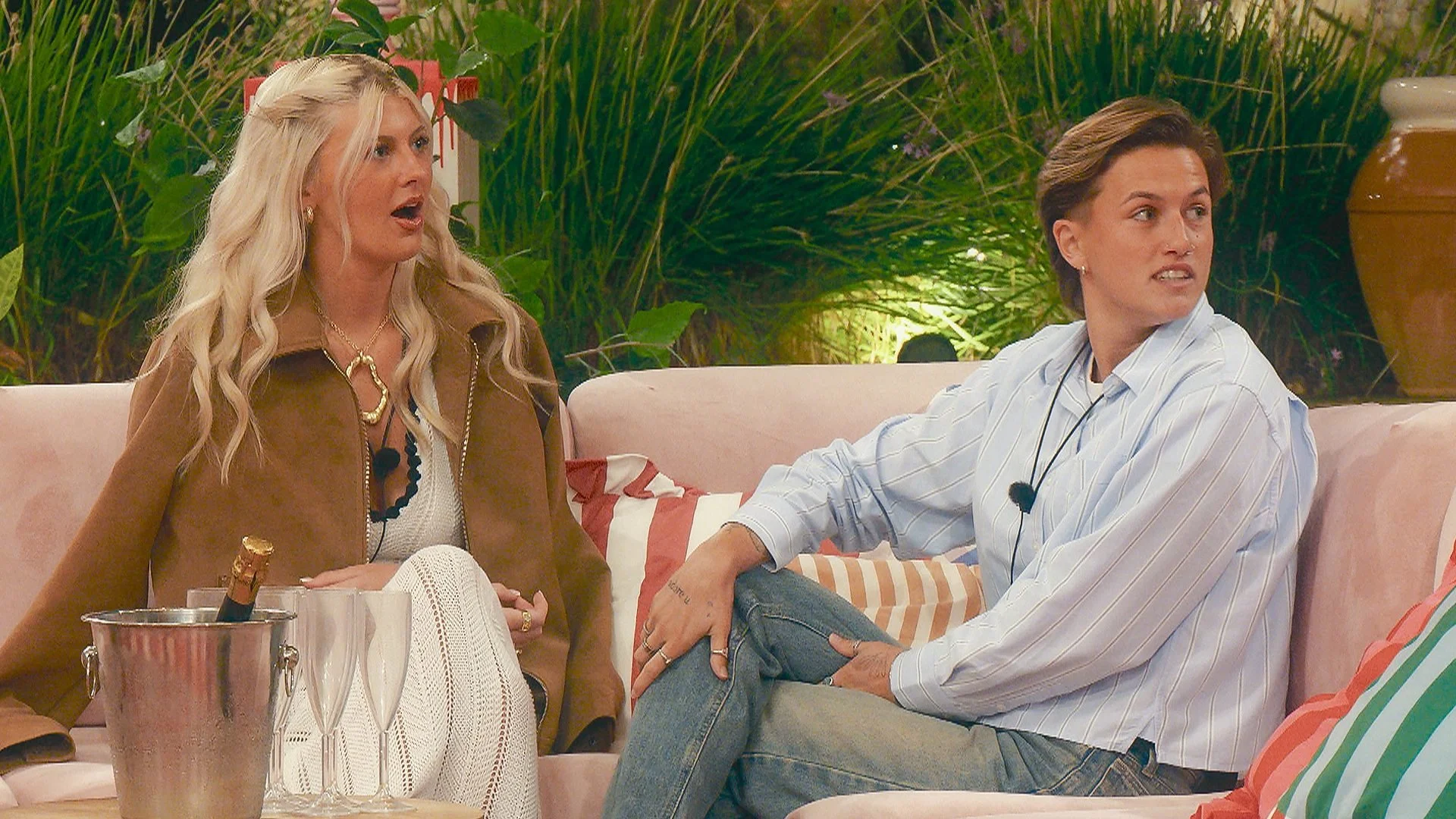
Credits: BBC
In the masseria did you find you were struggling when to talk or it just happened naturally?
“The masseria was different because it’s such a weird, its such a weird place to be. You feel like you just have to put your best foot forward for as long as you're there and then, because you don't have much time.
When I was in there I was doing a lot of one to one chats anyway, it was after the show when we got out and all met up for the first time, I was like I don’t know if this is my vibe you know. I think I realised very quickly that not a lot of people are my kind of people. There’s a good group of people that I’m like, love you guys, you’re great, can spend time with you guys, but there’s a good section of the group that I’m just like we aren't the same and that's okay.”
The initial anxiety of coming in, did that diminish quickly or was it like that the whole time you were there?
“ I think - I don’t know, you know because I don't know if feelings are real when you're there. Like I'm such an 8 hours of sleep girlie and I did not get 8 hours of sleep. I think the first night i didn’t sleep at all because I was so on edge, I was in such a weird place and had just met all these people and now I’m sleeping in the same room as them and I literally just felt like a plank of wood the whole time, like i was so nervous.
So the second day I was so drained, and I don't think I slept well that night- like I just didn’t sleep well, no home comforts and then i’m trying to pull the whole time, like its such a weird thing to do. Yeah, it was hell. Me and Sophie cried every single day, every single day. ”
Did everyone cry every single day? Cos I always think on reality tv shows-
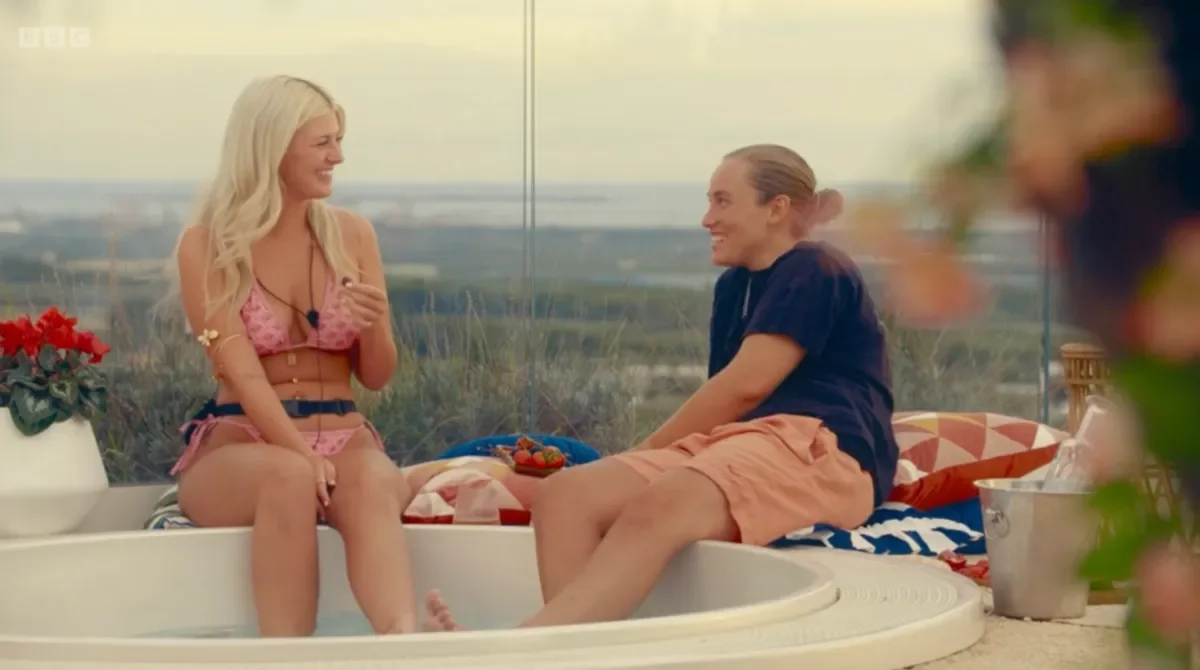
Credits: BBC
“ Well yeah, your emotions are just all over the place, and the lack of control. Like everything I do in my life, I’m in control of everything and if I'm not I don't like it. So you’re going in there and you’re not in control of when you eat, you’re not in control of when you sleep, you don’t know what time it is, you’re not in control of where you even are because someone’s told you, you aren’t allowed over here, you’ve got to go over there, you’re just constantly on job and its just insane, you’re being perceived 24/7, like you’re just all over the shop, its crazy. ”
Did you do any games? Alright, I actually cannot remember whether or not you did some games.
“ I only did the rolling the dice game which is where Ash and Lindsay had that raunchy little kiss. ”
Oh yeah. Was that fun?
“ Yeah, I mean it was really awkward because it was the producers that wrote the dice, and they were like ‘do your favourite sex position with someone out of your couple’, ‘lick the neck of someone out of your couple’ and I was like am I playing Ring of Fire? Like, am I in uni? ”
What's next for you after the show?
“ I think I'm not someone that can look too far into the future generally, I'm very much a here and now person, so I'm kind of just at a point where I'm saying yes to every opportunity that resonates with me. Figuring out what their looks, that looks like. I've made some new friends through the show, and I'm exploring that at the minute.Like I'm just really enjoying being in London as well. Like I never usually go to London, so I've spent a lot of time in London at the minute. I'm, I'm really really just trying to make as many connections as I can that feel right to me, that add to my life, and just show up for for the community. Like use my voice, not be afraid to speak. And I think I spent my whole life being outspoken and being called outspoken and being a problem. And now I'm at a point where I'm like, hold on a minute, let me be outspoken. Let me, let me, let me speak. Do you know what I mean? I'm really just trying to do that. ”
Are you excited to come to Cornwall?
“ Yes, I'm so excited to come to Cornwall. I'm so excited. I'm literally like, my friends are sending me coffee shops on TikTok in Falmouth. I'm like, yes, so excited. ”