

“What’s In A Name?”
BY Uche Nduka-Ozegbe
Publishing by Mel
Dyke. Bulldyke. Bulldagger. Lesbo. Lezza. Lezzie. Carpet muncher. Muff diver. Bent. Lesbian. Stud. Butch. Femme. Futch. Masc. Fem. Stem. Queer. Sapphic. WLW.
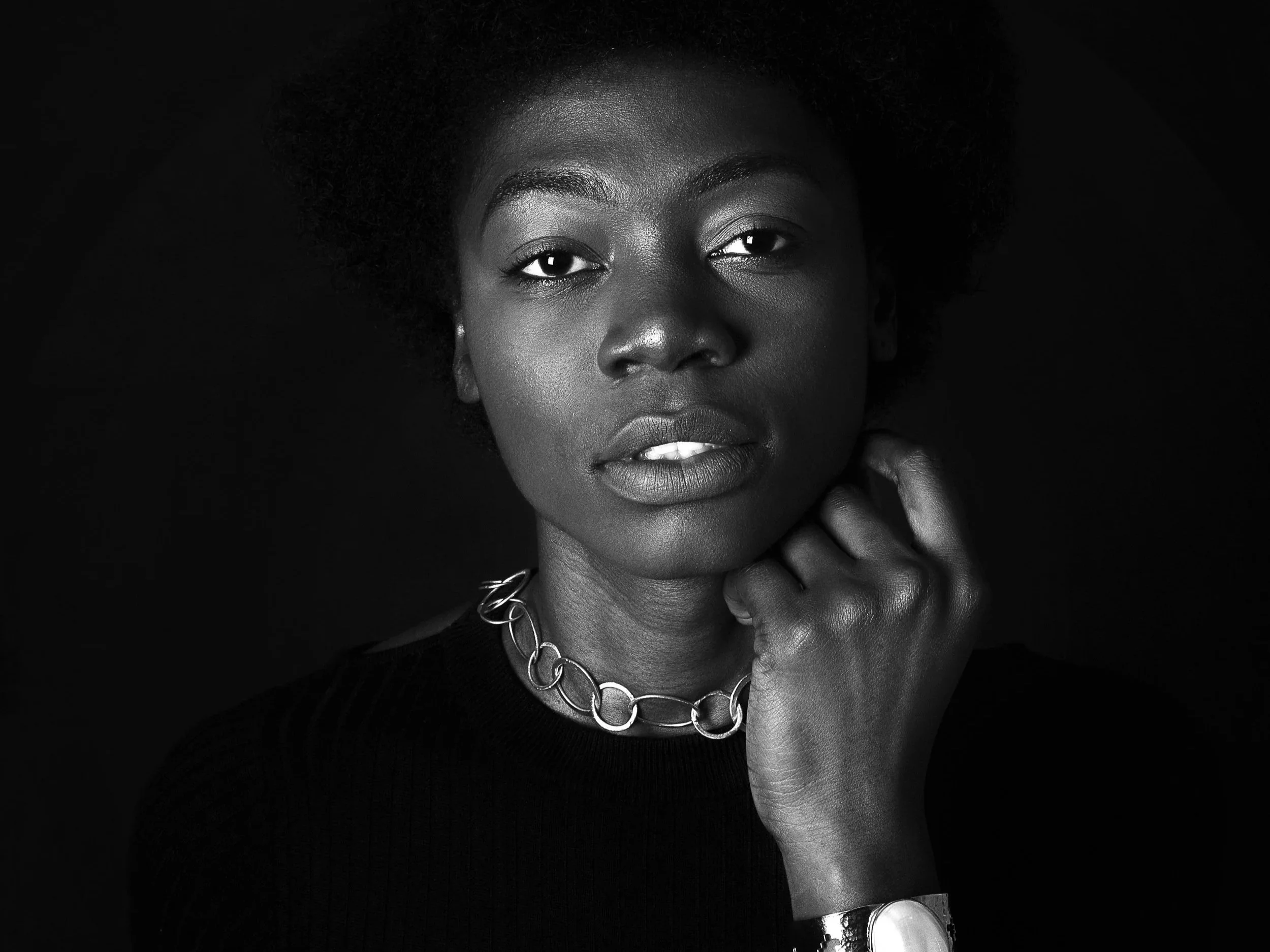
Credit: Juan Manuel Merino
As lesbians, we are often called many names.
Some that we created to identify ourselves, some that are forced upon us with malice, and some within the latter group that we’ve taken back as our own. But very rarely do we stop to think about where these words come from or how they came to be in our vocabulary. The word lesbian is one I’ve had a complicated relationship with. I grew up closeted and suffocating under the pressure of compulsory heterosexuality. It took me years to realise that I was not just sapphic, but a lesbian, and longer still for me to fully accept it. Even when I came out I felt I must evade saying “I am a lesbian”, as I still didn’t feel comfortable or safe identifying as such out loud. This is unfortunately the case for lots of lesbians, and a story I’m sure many of you are somewhat familiar with.
Now, years after coming out, I proudly identify not just as a lesbian, but as a dyke. It’s a word with a sordid history, and many meanings to many different people. Dyke history, dyke aesthetics, dyke culture, dyke identity. I’ve come to understand what being a lesbian means to me, but until now I had not properly interrogated what it means to be a dyke.
DYKE [/ˈdaɪk/] is a word that the Oxford English Dictionary has categorised as “of obscure origin”, and linguists and lesbians alike have debated its roots for decades.
The shortened dyke comes from the compound word bulldyke or bulldagger, with several variations in spelling such as dike, bulldike, bulldiker, bulldikker. Some argue that bull is used here to denote masculinity while dyke crudely refers to the vagina by drawing comparison to a ditch or dyke in nature, thus combining bulldyke to mean a masculine or ‘mannish’ woman / lesbian. Others posit that bull implies “jest or falsehood” (Krantz, 1995), coming from the Old French boul, boule meaning deceit or trickery (such as in bull or bullshit in American slang, used to describe something that is untruthful), while dyke or dagger is phallic in meaning, referring to a penis or to (penetrative) sex with a woman.
In this reading, bulldyke is a derogatory way of referring to a lesbian as a false man or as using a fake penis. It must be noted that the earliest recorded uses of the word comes from Black Americans during the Harlem Renaissance in the1920s where ideas on gender and sexuality where more liberal, and queerness in the scene was an open secret. In 1931, the journal American Speech published ‘The Vocabulary of the American Negro as Set forth in Contemporary Literature’, where its author Nathan Van Patten cites Renaissance writer Carl Van Vechten and identifies bulldyke and bulldagger as “black lexical terms” (Spears, 1985). Black lesbians during this time referred to themselves as bulldykes, and Harlem’s most famous bulldagger Gladys Bentley performed in male clothing as was popular at the time, and “infused jazz standards with her own lesbian sizzle” (Crandall, undated).
Of course, this was the ‘20s, and although dyke was used affectionately in queer spaces, wider society was not as accepting. Dyke continued to be hurled as a slur at lesbians, queer and androgynous women, and anyone who did not fit a bigot’s limited understanding of womanhood.
In a white supremacist, heteronormative society there is only one way to be a woman; if you are a lesbian you don’t meet this criteria, and Black women – who even today have their bodies policed and womanhood denied – fall further short.
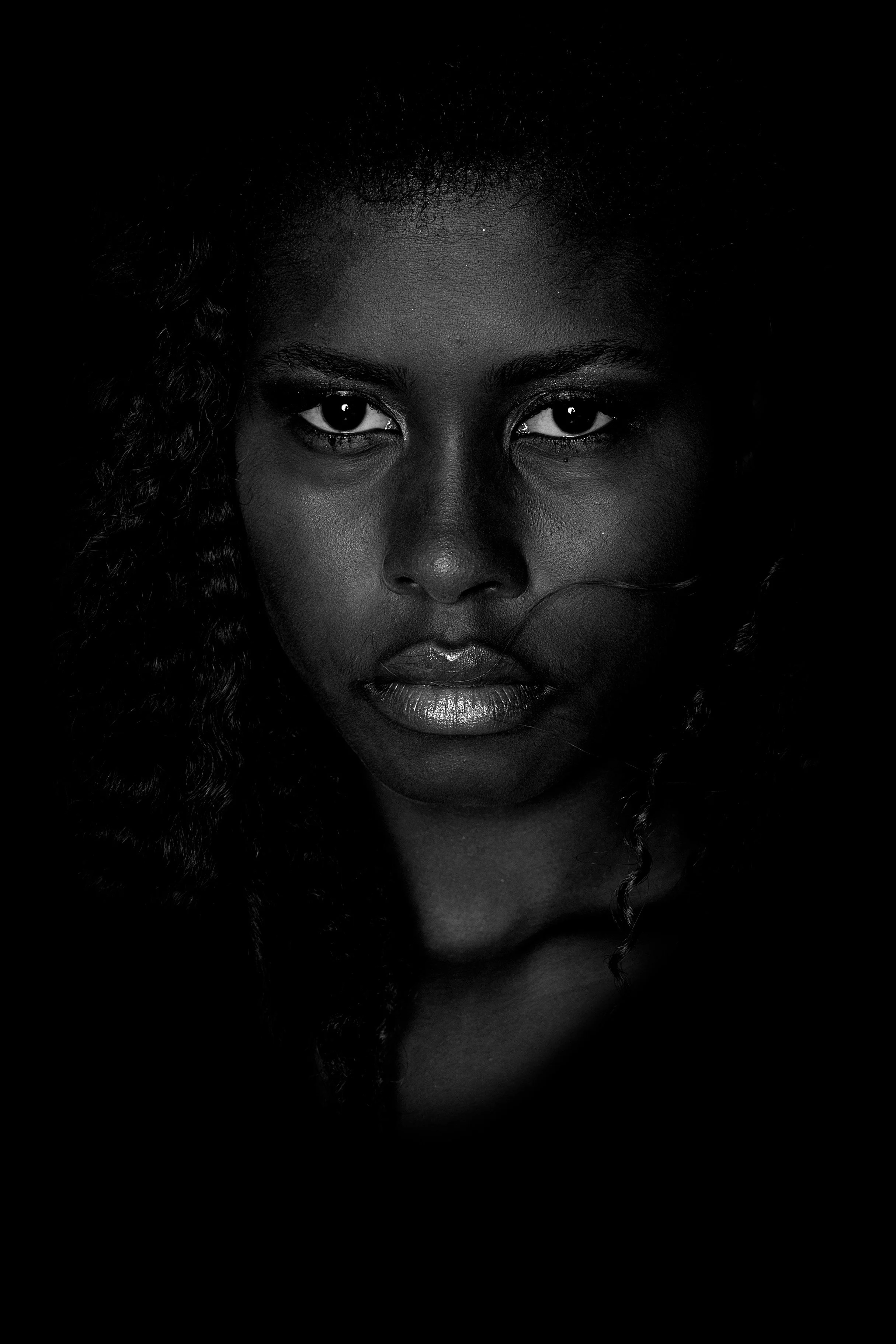
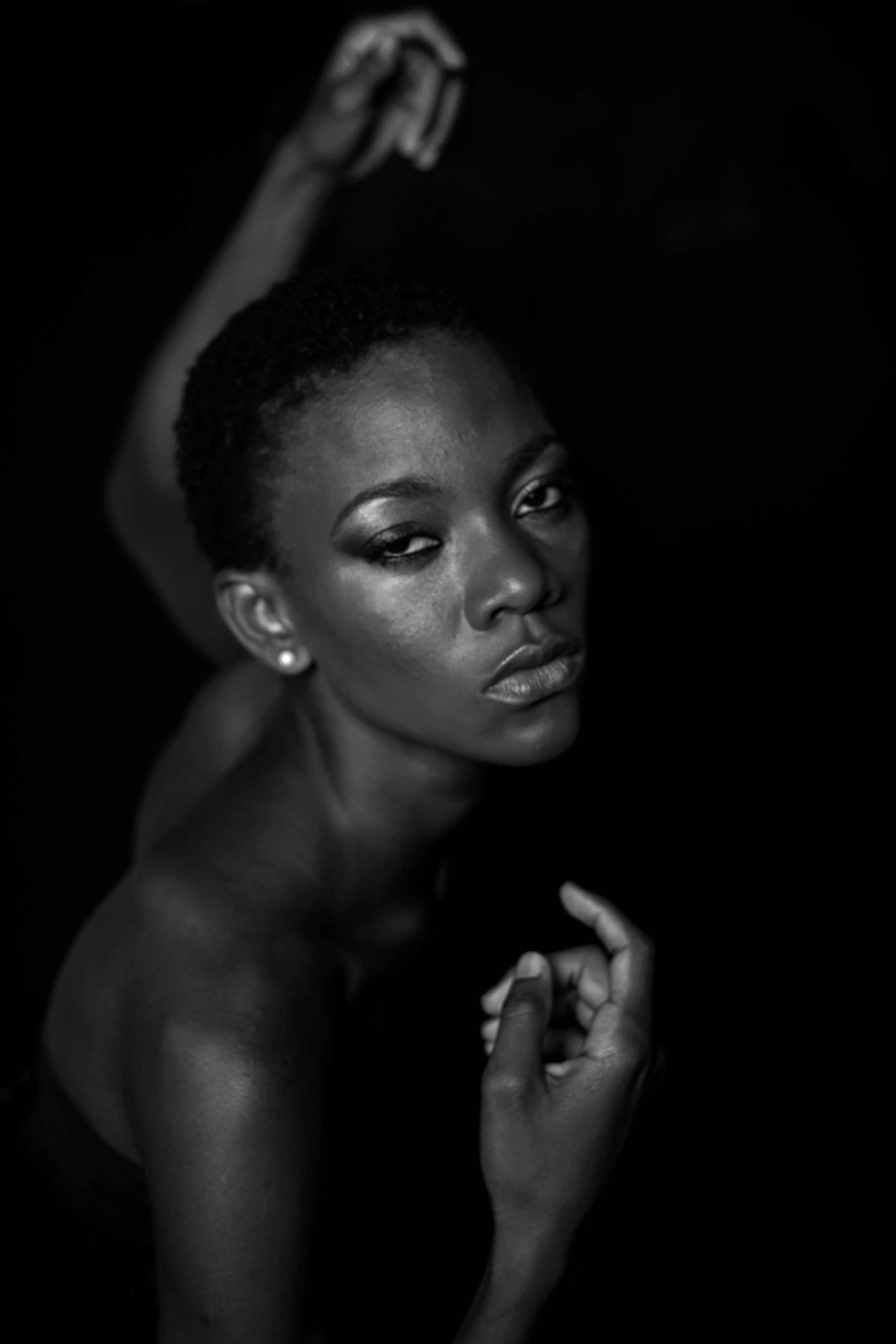
Bulldyke and -dagger were weaponised especially against Black lesbians, who historically have been categorised by racists into dominant and sexual roles (Cauthern, 1979).
But dykes were fighting back.
For decades lesbians have been reclaiming the insult and using it to self identify, as a way of taking ownership of the word and its power. By the ‘70s, Dykes On Bikes were appearing at and leading pride parades on motorcycles, and in 1993 (24 years after the Stonewall Riots) the Lesbian Avengers organised the very first Dyke March.
A dyke aesthetic was emerging, consisting of “jeans and corduroy… flannel shirts, men’s shirts and vests” (Kulp, 1984), and dyke communities like leather or diesel dykes continued to grow. Now the culture and clothing have shifted with the language. Thousands of lesbians around the world happily accept the dyke label, while some choose not to say the word at all in acknowledgment of its negative history and power as a slur.
Today dyke is not reserved for studs and masculine women. Any lesbian can be a dyke, whether they’re butch, femme, or somewhere in between. You don’t need short, slicked back hair (or I guess a mullet in this day and age) to be a dyke, you just need to be a lesbian in community with other lesbians. Now that my research has concluded I have decided what the word dyke means to me, and with so many lesbians around the world with such unique experiences, I cannot accept any definition of the word that doesn’t reflect its inherent multiplicity.
To be a dyke is to be explicitly lesbian; a woman who proudly loves other women. A dyke is political and radical, feminist and trans-inclusive. A dyke is strong, not necessarily physically, but headstrong and rebellious. A dyke can be handsome or pretty or both, and can wear anything their little lesbian heart desires. A dyke is nurturing and cares for their community, they look after the earth and the women around them.
To reclaim dyke is to take ownership of our identity, our desire, and our community, and to honour the lesbians before us who fought for the visibility we have today. So here I am, finally taking ownership. I am a dyke.
A Black dyke. I am intelligent, erotic, angry, artistic, muscular, caring, loud-mouthed, and beautiful.
I refuse to be contained by any one word, and I will not be insulted or erased.
I am a dyke, and I am proud.
By Uche Nduka-Ozegbe
BIBLIOGRAPHY:
Spears, R. A. (1985). On the Etymology of Dike. American Speech, 60(4), 318–327. https://doi.org/10.2307/454909
Krantz, S. E. (1985). Reconsidering the Etymology of Bulldike. American Speech, 70(2), 217-221 https://doi.org/10.2307/455819
Van Patten, N. (1931). The Vocabulary of the American Negro as Set Forth in Contemporary Literature. American Speech, 7(1), 24–31. https://doi.org/10.2307/451310
Crandall, E. (undated) "Bulldagger" Encyclopedia of Sex and Gender: Culture Society History. In Encyclopedia.com. https://www.encyclopedia.com/social-sciences/encyclopedias-almanacstranscripts-and-maps/bulldagger
Cauthern, C. R. (1979). 900 black lesbians speak. Off Our Backs, 9(6), 12–12. http://www.jstor.org/stable/25792970
Kulp, D. (1984). “Dyke Aesthetics”: Dressed to Cool. Off Our Backs, 14(7), 24–25. http://www.jstor.org/stable/25775175