

“Female Friendship and Sapphic Longing: Queer Repression in Monstrous Puberty”
BY GABI GARCIA (SHE/THEY)
@ga.bee6
Publishing by Irene
ARTIST BIO:
Gabi Garcia (They/she) is a London-based multidisciplinary artist, writer, and independent researcher whose work focuses on queerness, horror, disability, and intersectional cultural celebration.
With a master's degree in English literature, and specialisation on Queer vampire, gender studies from the University of Westminster, Gabi blends academic research with creative writing and storytelling to explore representation within the margins. Their MA dissertation analysing “The Ominous Figure of the Female Vampire in Gothic Literature”.
Gabi’s work has been included in the Butch-Femme Press Journal, as “Figuring the Female Vampire: Queer Sexuality in Carmilla”. They also presented their work “Inherently Queer: An Exploration of Queer Sexuality and Identity through the Vampire Figure” as a speaker in the conference Dracula Returns to Derby, early this year. Gabi’s creative work seeks to further explore the overlapping connections between themes of vampirism, queer gender studies, queer history, and colonialism. Their work is informed by their lived experience as a neurodivergent, mixed, trilingual LGBTQIA+ person.
Female Friendship and Sapphic Longing: Queer Repression in Monstrous Puberty
Horror has long harnessed female bodies and blood as potential queer readings. In films and texts like Jennifer’s Body (2009), Ginger Snaps (2000), Black Swan (2010), Teeth (2007) and Carmilla (1872), puberty is synchronised with monstrous metamorphosis, marking hidden lesbian desire, in a monstrous coming of age narrative. These works metaphorically explore female friendship, repressed sapphic longing, and monstrous transformation to resist compulsory heterosexuality, while staging a queer self-discovery through cinematic horror.
Across decades of cinema and literature, the coming-of-age stories of young women have often been filtered through the lens of fear: fear of sexuality, of the body, of the female otherness, and even pregnancy. Nestled within some of these core fears is something even more transgressive for heteronormative society: female’s desire for other women. The queer horror genre has long used monsters as vessels to explore taboo subjects, to hint at queer female relationships hidden behind the veil of what is socially acceptable, such as close female friendship. Films like Jennifer’s Body (2009), Ginger Snaps (2000), Black Swan (2010), Teeth (2007) and the novel Carmilla (1872), portray lesbian longing, masked through monstrous transformation, blood, and best friend relationships, ultimately suggesting that horror offers one of the few spaces where queer girlhood can speak, liberate itself, and survive, even if it requires experiencing a monstrous transformation to do so. What emerges from these narratives is not merely a tale of punishment because of transgressive desires, but a mirror of what society fears, how it erases, or disfigures lesbian identities, especially when it is still blooming, and susceptive to the outside world.
Adrienne Rich’s influential essay Compulsory Heterosexuality and Lesbian Existence (1980) outlines how male power structures have historically controlled, erased, and devalued women’s sexuality, labour, and relationships, especially lesbian existence. Drawing on Kathleen Gough’s eight-point framework of male dominance, Rich identifies the systemic ways patriarchy has suppressed women’s autonomy across cultures. Rich (2003, p. 13, 15) outlines how patriarchal power is maintained through the systemic denial and suppression of women’s sexuality, alongside the imposition of male sexuality. She references manifestations of this control with examples such as rape, incest, and the idealisation of compulsory heterosexual romance. Additionally, she highlights the exploitation of women’s labour through unpaid domestic work and male control over reproduction and children’s upbringing. Women’s physical autonomy is restricted, and they are treated as objects of exchange through practices like arranged marriage, and as sexual commodifications. Finally, Rich notes the withholding of access to knowledge and cultural participation via educational exclusion, professional discrimination, and the historical erasure of lesbian existence and historical queer archives. Rich emphasises that heterosexuality is not simply a “preference” or innate desire for women, but that it is institutionally enforced, through economic dependence, cultural romanticisation, and historical erasure of alternatives:
“To acknowledge that for women heterosexuality may not be a ‘preference’ at all but something that has had to be imposed, managed, organized, propagandized, and maintained by force is an immense step...” (Rich, 2003, p. 27).
This imposed structure trains girls from adolescence to associate sexual power with men. Young women internalise male sexual dominance as natural, distancing themselves from same-gender friendships that once formed their emotional centre. Rich writes that as girls grow into sexual maturity, they learn to value male attention, often at the expense of their own identity:
“As a young girl becomes aware of her own increasing sexual feelings... she turns away from her heretofore primary relationships with girlfriends” (p. 24).
Heterosexuality is enforced not just socially but psychologically, through media, myth, literature, and even psychiatry. The idealisation of heterosexual romance, from fairy tales to wedding rituals, functions as propaganda, ensuring women identify their value through romantic male attachment. Meanwhile, lesbian existence was erased, pathologised, or fetishised as deviance or perversion. Rich calls this widespread denial of lesbian identity part of a “Great Silence”, an exclusion from history, culture, and collective memory. The assumption that most women are “naturally” heterosexual becomes a theoretical blind spot for feminism itself, obscuring the extent to which female same-sex desire has been forcibly suppressed. Her analysis concludes that compulsory heterosexuality is not just an obstacle to queer identity, but a foundational mechanism of female oppression. Liberation, for Rich, lies not in individual choices alone but in dismantling the institutional structure of heterosexuality and unearthing the buried histories of lesbian existence.
This framework where heterosexuality operates as a tool of control finds an unsettling mirror in horror cinema. In horror films, the adolescent girl is frequently portrayed as the monster. Her transformation, from child to sexual being, is depicted not as growth, but as rupture. This moment of bodily betrayal becomes a central metaphor for queer awakening: the dawning realisation that one’s desire does not align with the heteronormative script we received growing up, and the simultaneous installed fear that this desire should be perceived by us as unnatural.
In the essay “I Am a Monster, Just Like She Said: Monstrous Lesbians in Contemporary Gothic Film” (2016) Michelle Denise Wise examines how Gothic horror has long encoded cultural anxieties about gender and sexuality, with lesbian characters often appearing as monstrous figures. She notes that although lesbian imagery has existed in cinema since its earliest days, depictions have fluctuated depending on cultural climate. While the 1970s and 1980s saw more positive portrayals due to rising visibility, this progress reversed during periods of moral panic, particularly the AIDS crisis, when lesbian representation in horror returned to being grotesque, threatening, and symbolic of deviant sexuality. The figure of the “Monstrous Lesbian” re-emerged in mainstream cinema in the 1990s and 2000s, often appearing within Gothic and horror frameworks. These films exploit familiar tropes: sexual transgression, duality, madness, physical transformation to position lesbian characters as inherently unstable, dangerous, or tragic. Wise argues that Gothic horror is especially suited to exposing societal discomfort with non-normative sexuality because it blurs binaries and dramatises what culture tries to suppress. In patriarchal storytelling, the lesbian body threatens because it rejects male control and reproductive function. As a result, it is rendered visually monstrous.
As Jack Halberstam puts it In a Queer Time and Place (2005), “Monstrosity offers a way of understanding queer embodiment—how queerness exceeds or warps the boundaries of what counts as human or natural” (Halberstam, p.4).
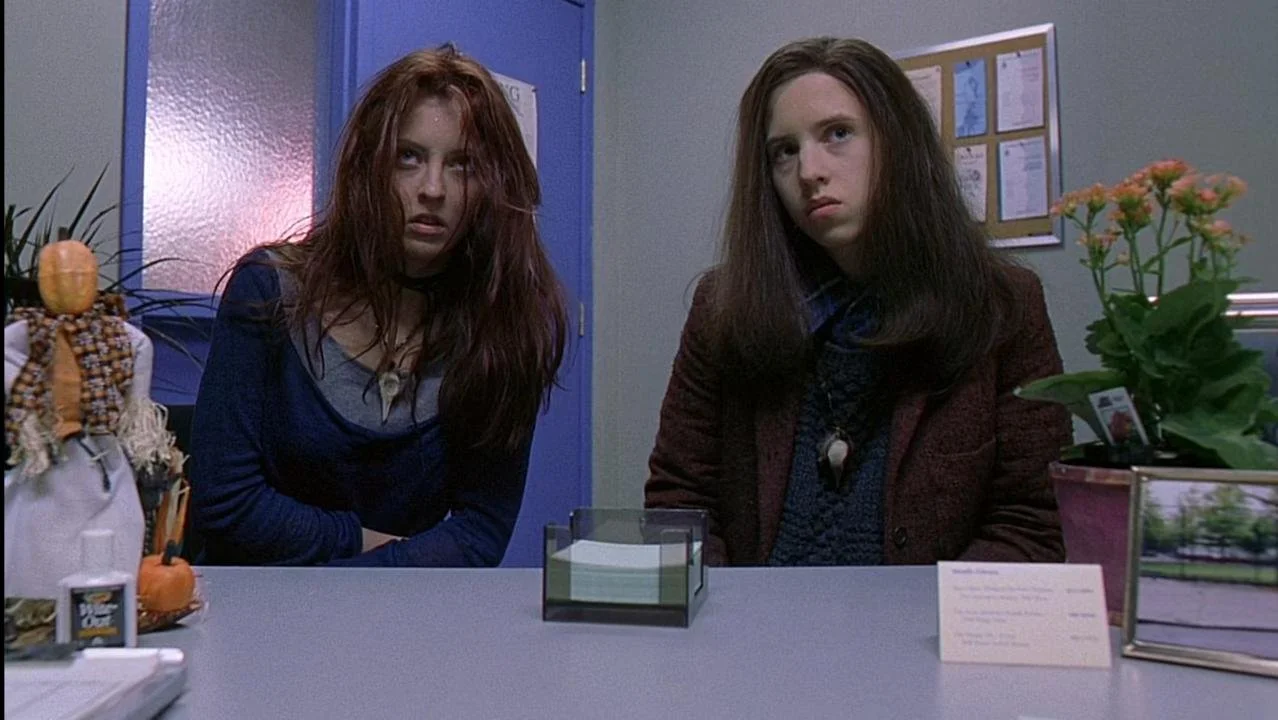
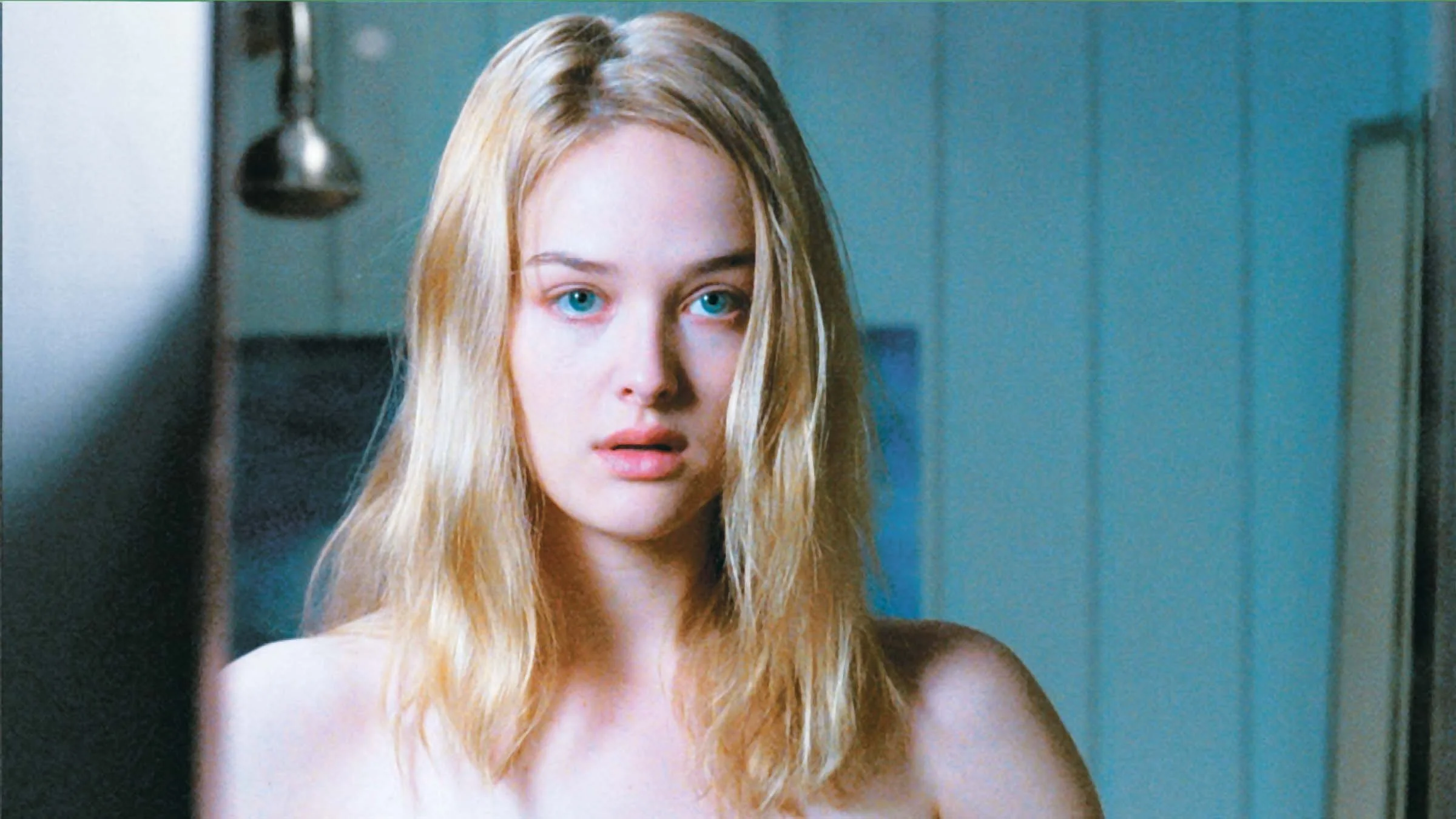
The film Ginger Snaps (2000) captures this with brutal precision, when Ginger Fitzgerald, a teenage girl obsessed with death, is bitten by a werewolf around the time of her first period, often seen as the moment where a girl becomes a woman. Ginger’s transformation is both literal and symbolic: she grows more aggressive, sexually assertive, and violent, a parallel to how society reads sexually active teenage girls as “dangerous”, and “devious”. Her metamorphosis also symbolises her queer identity, one that confuses and frightens her younger sister Brigitte. The film critiques the way queerness is conflated with deviance: Ginger becomes predatory, even incestuous in some readings. In one key scene, Brigitte tries to inject Ginger with a cure and whispers, “I’m not leaving you. I said I’d die for you.” The intensity of their bond blurs the line between sisterhood and something deeper. Here, monstrous puberty becomes a mask for forbidden love and the loneliness of being queer in a world that has no language for it.
In queer horror, blood is more than a bodily function, it is a symbol of rupture, and awakening. Blood spills across these narratives as a marker of puberty, but also of trauma and taboo subjects. Teeth (2007) literalises vaginal terror through the myth of vagina dentata. Dawn, the protagonist, discovers that her vagina has teeth shortly after her first sexual experience, and her body begins to retaliate violently against male aggression. But more than a rape-revenge fantasy, the film becomes a metaphor for sexual boundaries, repressed queer rage, and possibly fear of one’s own desire. Her transformation isn’t framed as grotesque for the audience’s pleasure but as a revelation: her body is monstrous only because it defies the expectation of passivity, that is expected of women. The body as traitor becomes the body as defense mechanism. Dawn’s fear of her sexuality mirrors the experience of many queer girls coming to terms with lesbian desire under compulsory heterosexuality. “I’m not ready,” she says, trembling, and yet, her body evolves in a reactionary way. As Barbara Creed writes in The Monstrous-Feminine (1993), “Woman as monster is produced at the point of resistance to the patriarchal symbolic order”. The monstrous body becoming a site of queer resistance.
The trope of intense female friendships in the horror and gothic sub-genre, more often than not, is also used to represent something else bubbling beneath the surface. These are not just best friends braiding each other’s hair, these are ever consuming, ever obsessive bonds, charged with yearning and confusion. The language of friendship becomes a code for something deeper, queer longing.
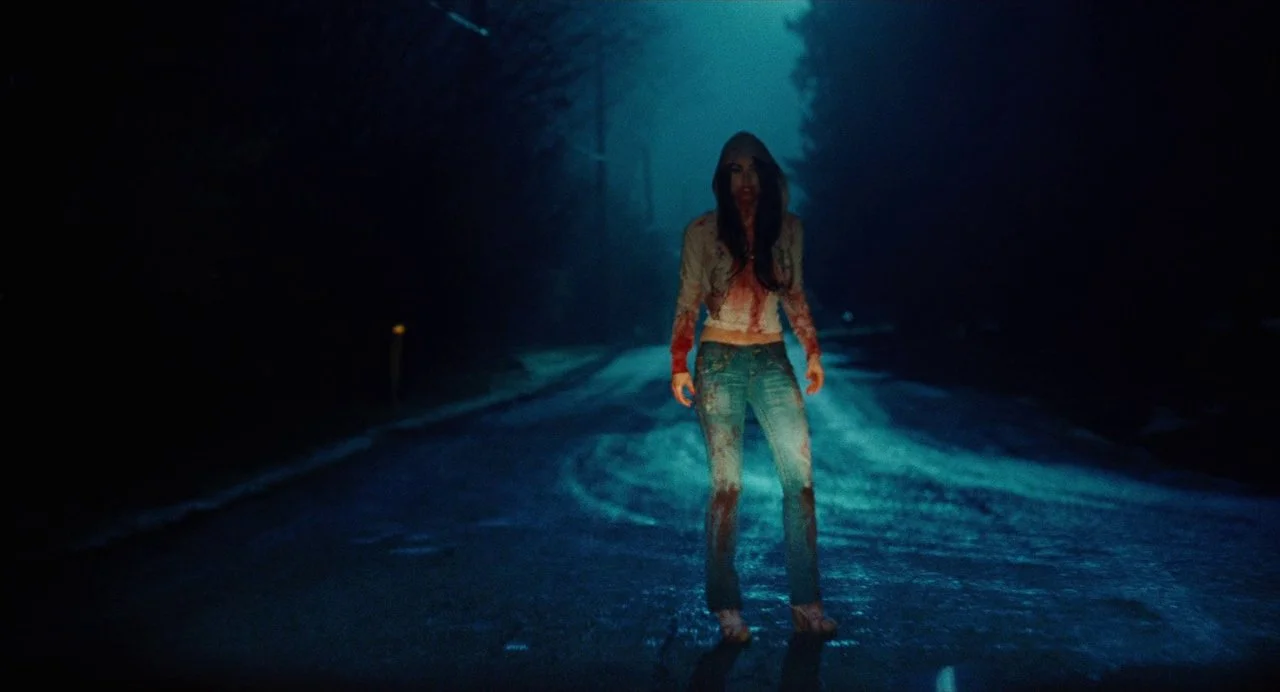
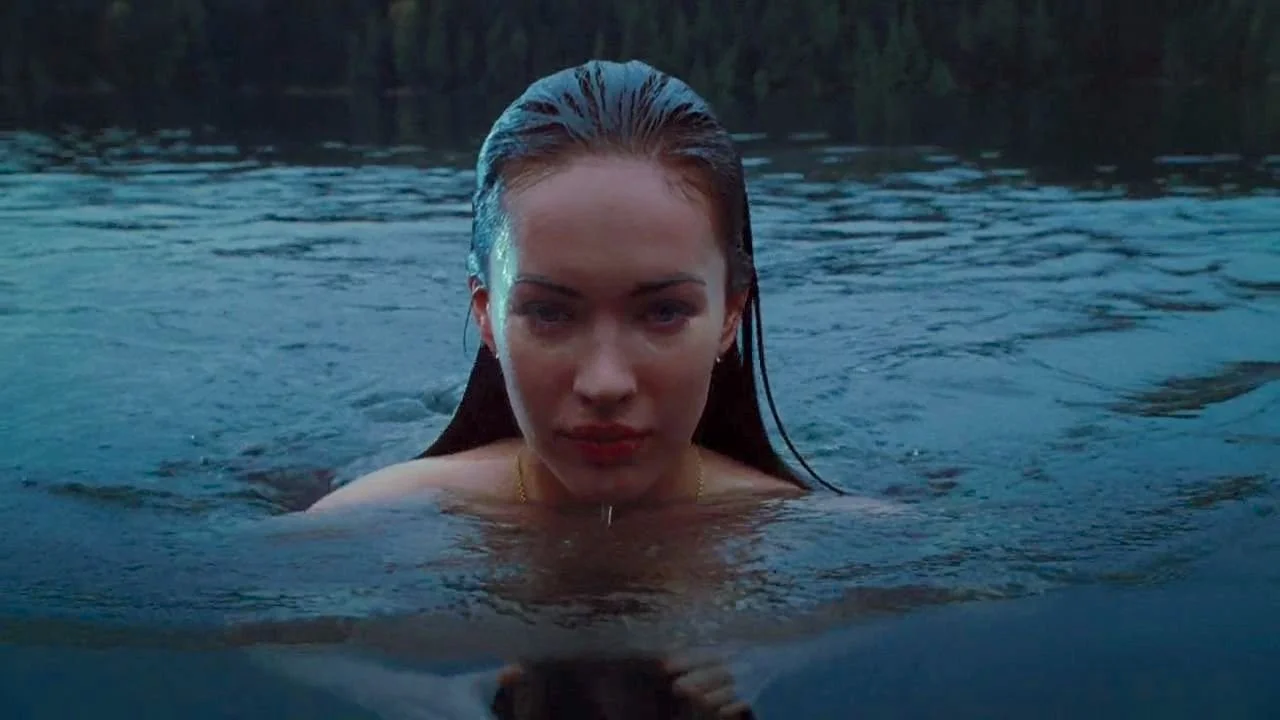
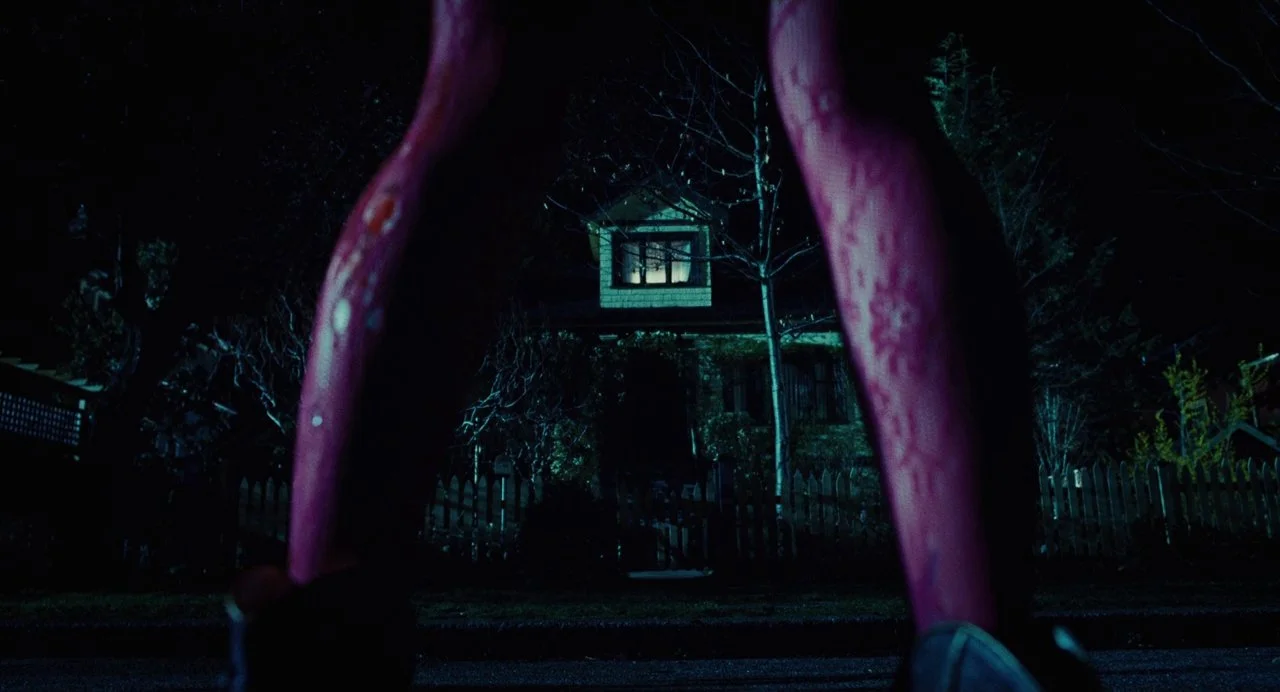
In Jennifer’s Body (2009), the relationship between Needy and Jennifer is framed as a friendship but feels unmistakably romantic for the viewer, even homoerotic. Their bond is toxic, magnetic, challenging and steeped in queer energy. The dynamic between Needy and Jennifer goes far beyond typical “best friends, it pulses with romantic and queer energy that the film deliberately hints at, even when it refuses to label it explicitly.
As Carmen Maria Machado points:
“They exchange such long and devoted looks toward each other... a classmate calls them ‘lesbigay.’”
The usage of the label “lesbigay” shifts the casual line into the radical recognition of their intimate bond. Diablo Cody herself has explained that she and director Karyn Kusama wanted to capture “the sexual energy between teenage girls” that feels “almost romantic”. Cody shared that during her adolescence, friends she slept with, wore each other’s clothes, and talked all night during pyjama parties, highlighting how teenage intimacy can carry erotic charge even when seemingly platonic on paper. Additionally, the film’s treatment of female bodies was highly progressive considering the early 2000’s, when exploring societal views around PMS. Jennifer’s transformation starts synchronising with her monthly blood cycle, literally making the menstrual cycle the engine of her supernatural change, just as it occurs in Ginger Snaps.
When Jennifer seduces Needy with a kiss, it is a moment of revelation. Later on discussing: “I thought you only murdered boys.” Needy asks. Jennifer replies, “I go both ways.”, translating into her queer bisexual identity. While the film’s marketing played this moment up for the male gaze, the narrative itself treats their intimacy as a complex and polarising relationship. Jennifer’s monstrosity is not just demonic, it is a metaphor for how society fears women who take ownership of their bodies, women who desire unapologetically. Her hunger for flesh is uncontainable, just like her queerness.
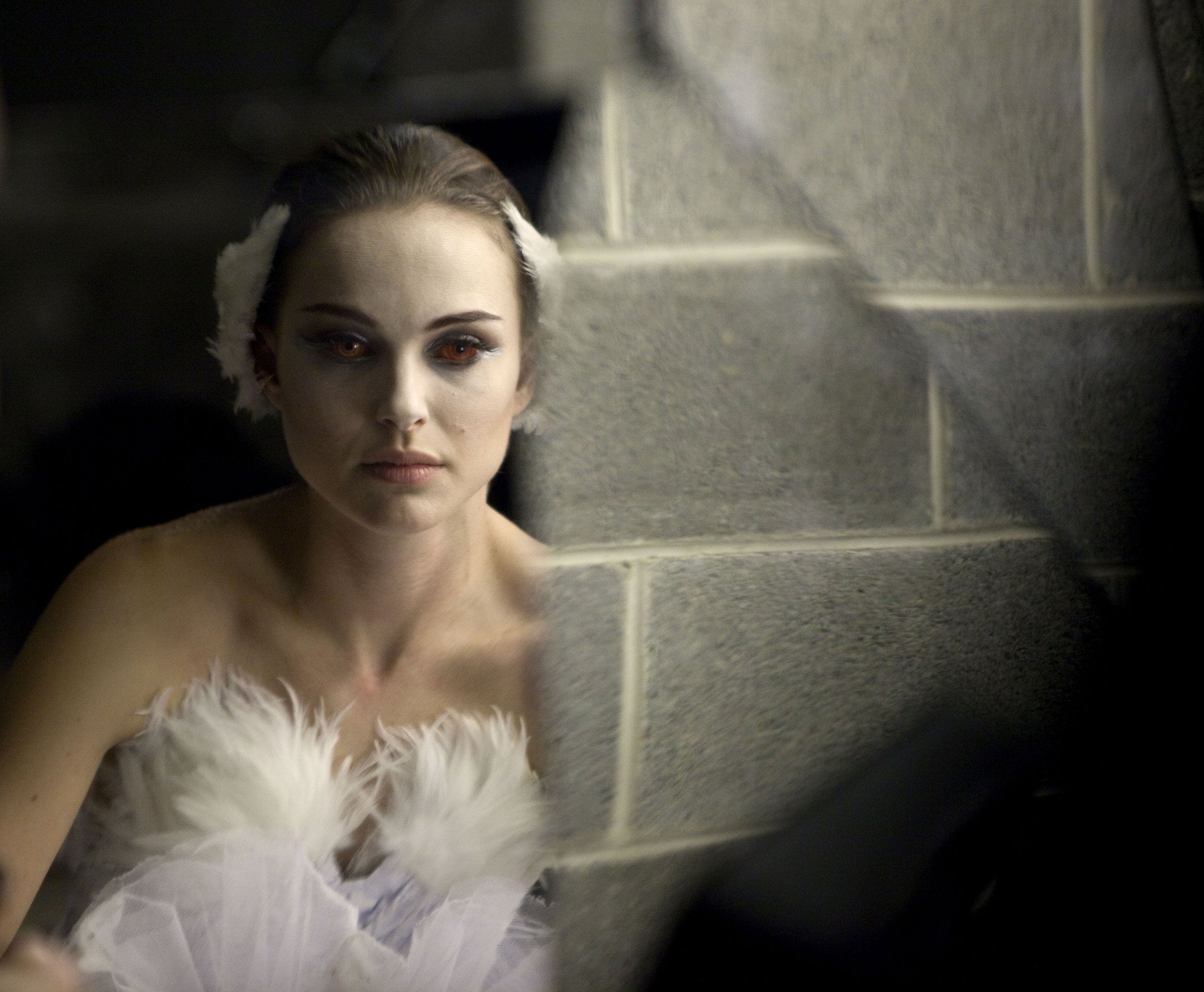
The same undercurrent exists in the movie Black Swan (2010), where Nina’s obsession with Lily reflects admiration, competition and suppressed desire. The sex scene between them, though arguably part of Nina’s hallucination, is a powerful expression of repressed lesbian longing. Nina, raised in an environment of purity, control, and infantilisation by her matriarchal mother, channels her desire into performance, but it erupts violently, both sexually and psychologically. Her transformation into the Black Swan is not just artistic but sexual, breaking free from the heterosexual, frigid mold imposed on her. Her body becomes monstrous, feathered, bleeding, cracked open, liberating her, while being reborn as the Black Swan.
We cannot ignore how these body transformations are punished by society: Jennifer dies. Nina dies. Dawn is serially sexually assaulted. Even when they gain power, it can be temporary, and not without their sacrifices. Their queerness is either silenced or pathologised. Robin Griffiths writes that queer horror allows “non-normative sexualities to erupt from the margins,” making space for desire that mainstream genres cannot hold. And according to Bonnie Ruberg, horror’s focus on the body, transformation, and taboo “mirrors queer affect itself: unstable, provocative, and transgressive.” What we are seeing, across these texts, is a pattern: women who love other women, who are exploring their sexual awakening, whether they know it or not, become monsters. Even historically, the ultimate punishment and erasure, cinema concealing their love, and representation, behind the “roommate” or “friend” role, and trope.
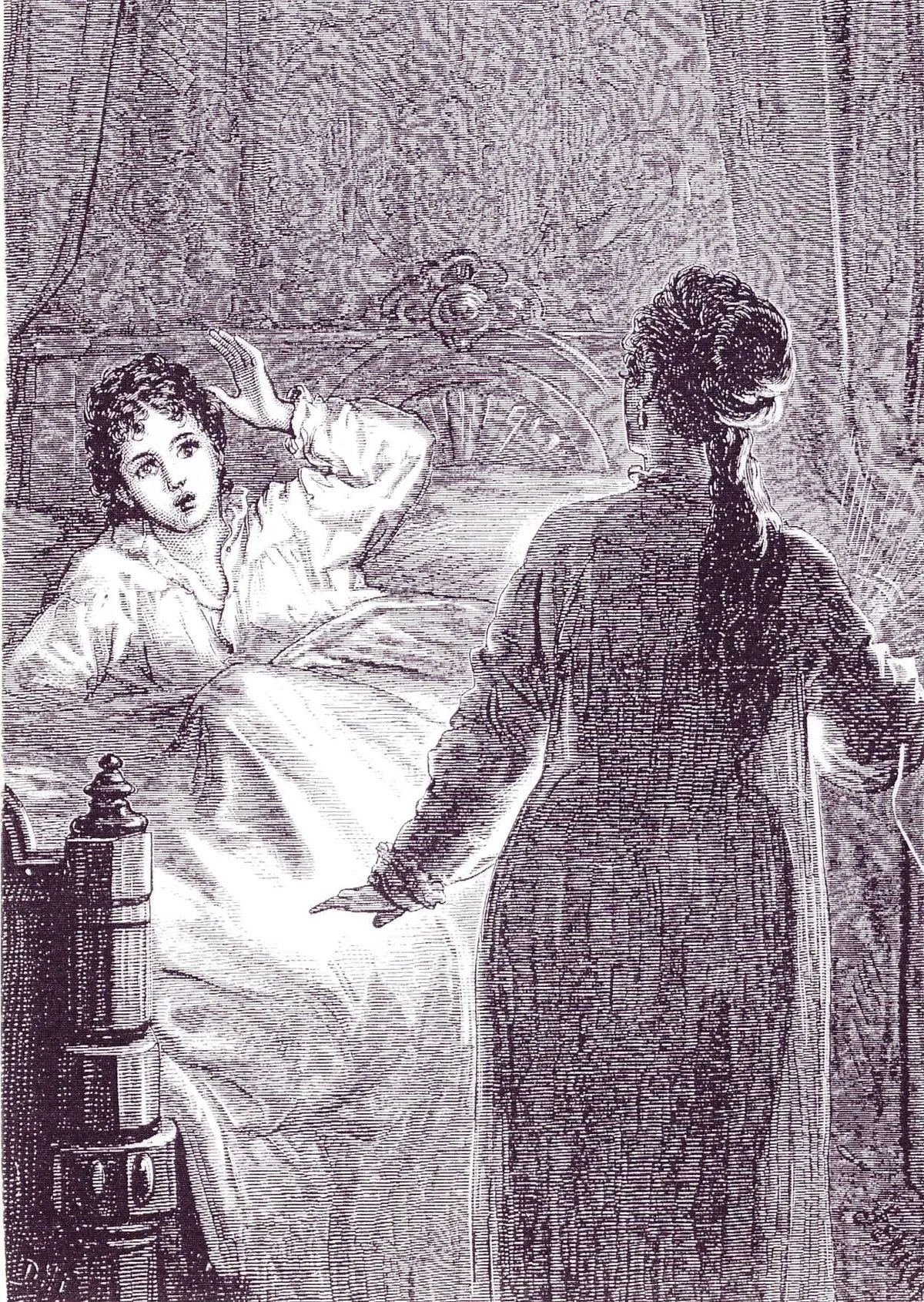
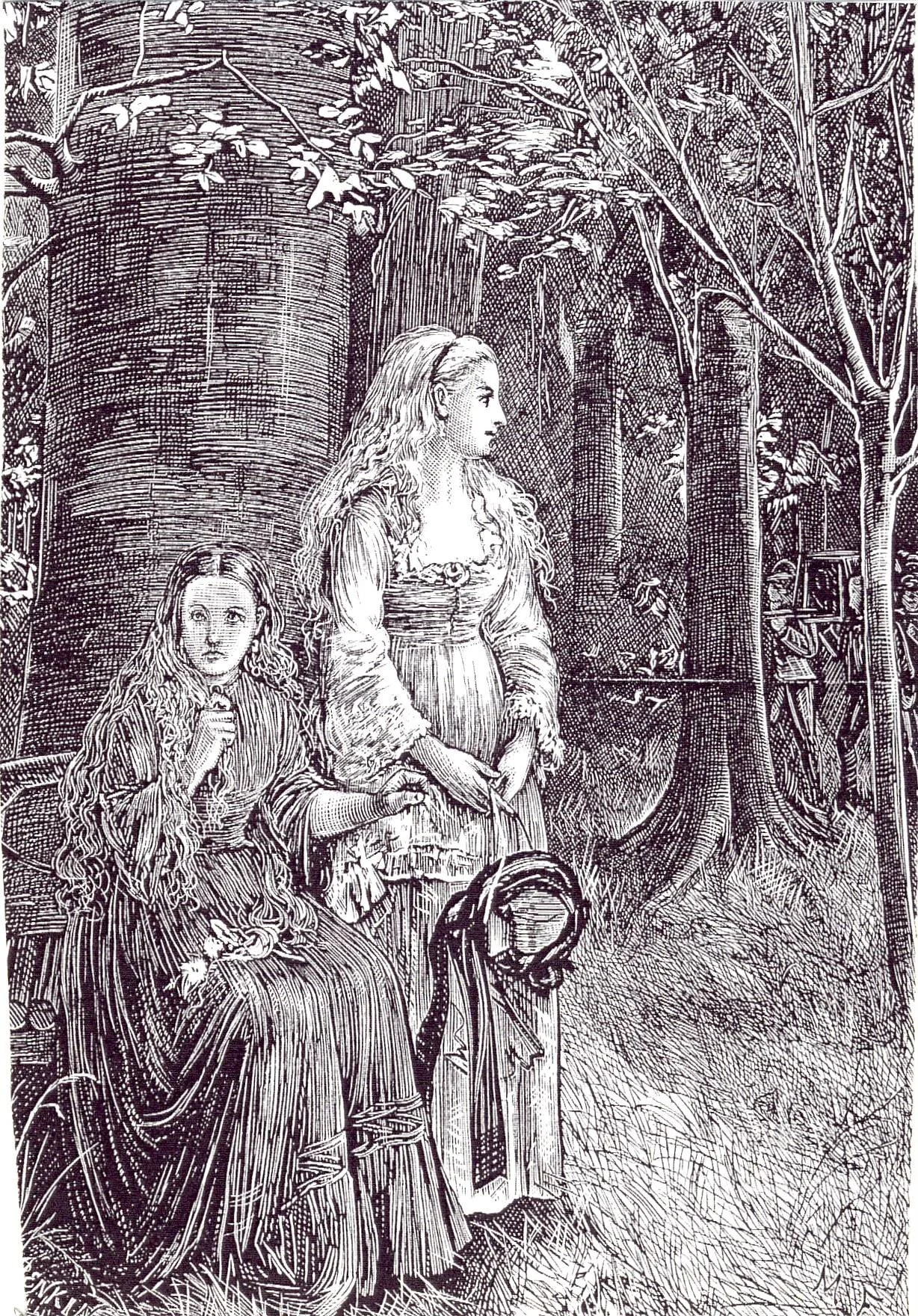
In literature and film alike, sapphic longing has also been brushed away as intense emotional intimacy—roommates, and close friendships. The quintessential example is Carmilla (1872), Sheridan Le Fanu’s Gothic novella that laid the foundation for the vampire-lesbian archetype. Laura and Carmilla’s relationship is coded through tender affection and repressed homoeroticism: "I have been in love with no one, and never shall," she whispered, "unless it should be with you" (Le Fanu, 2019, p 53). Carmilla is constantly in Laura’s bedchamber, watching her sleep, whispering near her neck.
These same undertones run through, Black Swan, where the main female characters are brought together through circumstances such as, school and dorms, which entices proximity and develop an obsessional bond under the guise of “friendship.” The “roommates” trope continuously being acknowledged as a method of survival, during times where queer love could not be explored openly in the public sphere, or when lesbianism was pathologised, and eventually criminalised. In this way, closeness was a safety shield, a vehicle of survival.
The horror genre captures this historical repression not through explicitly open declarations, but through layer metaphors. Each narrative encodes queer girlhood through monstrosity not because it is inherently monstrous, but because it has historically been denied any other form. The monster, then, becomes both a metaphor for queer adolescence and a defiant refusal to conform. What these films ultimately reveal is that queer girlhood is never safe in the world it is born into—but it is also never without power. The monstrous lesbian, the queer werewolf, the bloodthirsty best friend, these are all figures of both terror and recognition. Their hunger, their resistance, their longing, speak to a queer history written not in textbooks but in subtext, metaphor, and body horror. Beneath the surface of monstrous transformation lies a deeper truth: a rage against repression, a yearning for recognition, and a search for connection in a world that insists on silence. These films reclaim monstrosity not as deviance but as defiance, turning blood and fear into the language of queer becoming...
Gabi Garcia (they/she)
References/Works Cited:
Benshoff, Harry M. Monsters in the Closet: Homosexuality and the Horror Film. Manchester University Press, 1997.
Creed, Barbara. The Monstrous-Feminine: Film, Feminism, Psychoanalysis. Routledge, 1993.
Doyle, Sady. “The Monstrous-Feminine, or Why the Bitchy Teen Girl Is the Scariest Thing in Horror.” Tiger Beatdown, 2010.
Gough, Kathleen. “The Origin of the Family.” In The Radical Women Anthology, edited by Anne Koedt et al., Doubleday, 1970.
Halberstam, Jack. In a Queer Time and Place: Transgender Bodies, Subcultural Lives. NYU Press, 2005.
Halberstam, Jack. Skin Shows: Gothic Horror and the Technology of Monsters. Duke University Press, 1995.
Hart, Lynda. Between the Body and the Flesh: Performing Sadomasochism. Columbia University Press, 1998.
Jones, Sara Gwenllian. “Why Heather Can Write: Media Literacy and the Harry Potter Wars.” Cinema Journal, vol. 48, no. 3, 2009, pp. 114–118.
MacDonald, Tanis. “Out by Sixteen: Queer(ed) Girls in Ginger Snaps.” Jeunesse: Young People, Texts, Cultures, vol. 1, no. 2, 2009, pp. 58–75.
Mendik, Xavier. “Skinflicks: Syphilitic Horror and ‘Ginger Snaps.’” The Horror Film Reader, edited by Alain Silver and James Ursini, Limelight Editions, 2000.
Palmer, Paulina. Lesbian Gothic: Transgressive Fictions. Cassell, 1999.
Rich, Adrienne. “Compulsory Heterosexuality and Lesbian Existence.” Journal of Women’s History, vol. 15, no. 3, 2003, pp. 11–48. Project MUSE, https://doi.org/10.1353/jowh.2003.0079
Ruberg, Bonnie. Video Games Have Always Been Queer. NYU Press, 2019.
Sedgwick, Eve Kosofsky. Epistemology of the Closet. University of California Press, 1990.
Wise, Michelle Denise. “I Am a Monster, Just Like She Said: Monstrous Lesbians in Contemporary Gothic Film.” PhD Dissertation, University of California, 2011.
Cody, Diablo. Interview by Kyle Buchanan. “Diablo Cody on the Jennifer’s Body Revival and Writing Queer Women Who Feel Real.” Vulture, 25 Sept. 2018, https://www.vulture.com/2018/09/diablo-cody-on-the-jennifers-body-revival.html
Machado, Carmen Maria. In the Dream House: A Memoir. Graywolf Press, 2019. (Reference to the "lesbigay" comment discussed in her cultural criticism of horror films like Jennifer’s Body.)
Peters, Lucia. “10 Years Later, Jennifer’s Body Is the Queer Horror Story We Needed All Along.” Bustle, 17 Sept. 2019, https://www.bustle.com/p/10-years-later-jennifers-body-is-the-queer-horror-story-we-needed-all-along-18732630
Schager, Nick. “Jennifer’s Body Is the Feminist Horror Movie We Need Now More Than Ever.” The Daily Beast, 20 Sept. 2019, https://www.thedailybeast.com/jennifers-body-is-the-feminist-horror-movie-we-need-now-more-than-ever
Wilstein, Matt. “Karyn Kusama and Diablo Cody on the Feminist Revenge of Jennifer’s Body.” The Last Laugh, The Daily Beast, 18 Sept. 2019, https://www.thedailybeast.com/karyn-kusama-and-diablo-cody-on-the-feminist-revenge-of-jennifers-body
Tell us a bit about the piece you're submitting:
“I was inspired to write this piece because of my own experiences growing up—my childhood, the way I was raised, and especially my deep and intense friendships with other girls.
For me, this work became a way of processing my identity, particularly my queerness and my relationship to lesbianism. When I was younger, I made the conscious choice to date men because I didn’t want to negatively influence my sisters because I saw myself as ‘sick’ and ‘deviant’, so this piece for me is also about healing, and ownership of my Lesbian identiy. It’s about reclaiming the word lesbian, and seeing it not as something shameful or secret, but as something beautiful, and worth celebrating.
This work reflects a deep personal connection to who I am and how I grew up, watching horror movies and monsters as myself. I believe it is important and deserves a space out in the world, because it helps challenge old negative narratives and adds to the representation of lesbian identity in media, and academic texts, especially since we have been erased from history or misrepresented. This article explores how queer girlhood and repressed lesbian desire are represented in horror films through themes of monstrosity, transformation, and intense female friendships.
Focusing on works like Jennifer’s Body, Ginger Snaps, Black Swan, and Teeth, it examines how horror uses metaphor to reflect the challenges of growing up queer in a heteronormative world. Drawing from feminist and queer theory, the piece argues that these films do not portray lesbian identity as deviant, but instead offer powerful imagery of resistance, survival, and self-discovery. It highlights the importance of reclaiming queer narratives in media and the beauty of naming and celebrating lesbian identity.”
